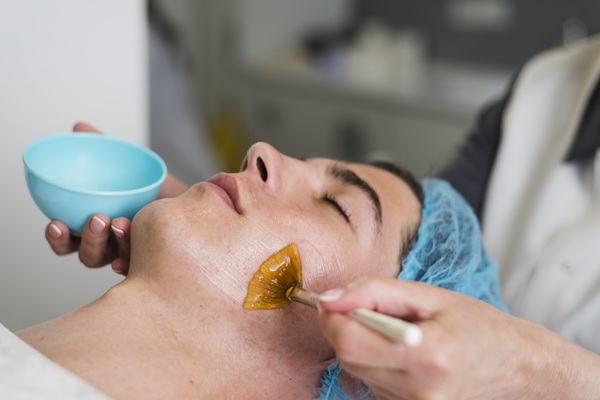
Melasma is a stubborn pigmentation concern, especially common among Indian skin tones. A chemical peel for melasma can help lighten patches, even the skin tone, and reduce dullness—but only when chosen correctly. Different peel types suit different patterns of pigmentation. Indian skin needs safer, controlled, and well-planned treatments to avoid PIH (post-inflammatory hyperpigmentation).
When done under an experienced physician, chemical peeling treatment becomes a gentle, gradual, and science-backed way to improve melasma.
What Makes Melasma So Difficult for Indian Skin?
Melasma appears as brown or grey-brown patches on the cheeks, forehead, nose, or upper lip. It often gets triggered by heat, sun, stress, or hormones. Indian skin produces more melanin, so it tends to react faster to irritation. That’s why many patients worry that a peel may worsen the marks.
This worry is valid.
But when a chemical peeling treatment is chosen carefully, the skin responds very well. Recent studies confirm that superficial and controlled peels remain one of the safest ways to treat melasma in medium-to-dark skin tones.
The key is simple:
The peel should suit the patient, not the other way around.
Chemical Peels for Melasma: What Options Are Safe for Indian Skin?
Let’s break down the most commonly used peels, their strengths, and how a skin specialist in Varanasi decides which one fits each person.
1. Glycolic Acid Peels: A Gentle Starter Option
Glycolic acid is one of the most studied acids for melasma. It is known for:
- Light skin exfoliation
- Better absorption of melasma creams
- Gradual brightening
- Refining uneven tone
For Indian skin, experienced physicians usually use lower concentrations. These lighter strengths reduce the risk of irritation while still offering steady improvement.
Best suited for:
- Mild-to-moderate melasma
- Dull and uneven skin
- Patients new to chemical peels
Why it works:
Glycolic acid speeds up cell turnover without causing deep injury. It helps lift surface pigmentation slowly, which is ideal for darker skin tones.
2. Salicylic Acid Peels: Ideal for Oily or Acne-Prone Skin
Melasma becomes harder to treat when acne marks or clogged pores exist. Salicylic acid peels:
- Unclog pores
- Reduce inflammation
- Lighten pigment patches
- Help prevent breakouts
For Indian skin, these peels work well because they stay superficial. That means the risk of post-inflammatory hyperpigmentation stays low.
Best suited for:
- Melasma with acne or oily skin
- Recurrent tanning
- Uneven texture
3. Tretinoin Peels: Slow but Effective Brightening
Tretinoin peels are used in controlled strengths. They deliver steady lighting with minimal downtime. Many physicians prefer these for patients who want:
- Gradual glow
- Reduced patchiness
- Mild peeling without strong acid exposure
They work by encouraging the skin to regenerate faster. They also allow melasma creams to work more efficiently at home.
Best suited for:
- Sensitive skin
- Early melasma
- Melasma with dullness
4. Lactic Acid Peels: The Most Skin-Friendly Option
Lactic acid is known for being gentle. It keeps the skin hydrated while lightening dark patches. This makes it one of the safest choices for people worried about irritation.
Benefits include:
- Brightening
- Hydrating the skin
- Softening pigmentation over weeks
Best suited for:
- Dry skin
- Sensitive skin
- Very mild melasma
This peel does not cause strong redness or flaking, making it a comfortable choice for first-timers.
5. Mandelic Acid Peels: Designed for Indian and Asian Skin
Mandelic acid has a larger molecular size. This means it enters the skin slowly and reduces the chance of irritation. Skin specialists consider it one of the most reliable peels for medium-to-dark skin tones.
Benefits:
- Targets surface pigmentation
- Reduces tanning
- Controls mild acne
- Brighter and more even complexion
Best suited for:
- Patients prone to pigmentation
- People who tan easily
- Melasma that flares after sun exposure
6. Combination Peels: For Stubborn or Deep Melasma
Some cases need more than one ingredient. Combination peels blend safe, low-strength acids to reduce melasma from different angles. Examples include:
- Glycolic + salicylic
- Mandelic + lactic
- Brightening blend peels
These are used only when the skin shows readiness. A skin specialist in Varanasi often builds a plan over weeks so the skin adapts gently.
Why combination peels help:
- They target multiple layers
- They control inflammation
- They offer faster results without using strong acids
How a Skin Specialist in Varanasi Chooses the Right Peel for Indian Skin
Choosing a chemical peel for melasma is not a one-step decision. A specialist studies different factors before suggesting anything. This ensures safety and results without unwanted side effects.
A dermatologist considers:
- Your melasma pattern (epidermal, dermal, or mixed)
- Your skin type (dry, oily, combination, sensitive)
- Your history of pigmentation
- Your lifestyle (sun exposure, stress, sleep, outdoor activity)
- Your medical history
- Your previous skincare products
This planning matters because darker skin needs a slow, controlled approach. Sudden or aggressive exfoliation can lead to redness, irritation, or PIH.
The goal is never to “peel a lot.”
The goal is to brighten safely, evenly, and steadily.
Do Chemical Peels Work for Melasma Long-Term?
Melasma is a chronic condition. It does not disappear in a single session. Instead, a skin specialist aims to:
- Reduce the depth of pigmentation
- Prevent frequent flares
- Strengthen the skin barrier
- Build long-term stability
A chemical peeling treatment works best when combined with:
- Sun protection
- Gentle homecare
- Stress management
- Hydration
- Consistent follow-up
Most patients notice clearer skin between 4 and 8 weeks of regular sessions.
Are Chemical Peels Safe for Indian Skin?
Yes—when done under the right guidance.
For Indian skin, safety depends on:
- Using superficial peels
- Lower acid strengths
- Proper time gaps
- Good aftercare
- Avoiding harsh products at home
Recent clinical findings show that shallow peels remain safe and effective across medium-to-dark skin tones. They improve brightness without causing deep injury.
How to Prepare Your Skin for a Safe Peel
Preparation is simple and gentle:
- Use sunscreen daily
- Avoid harsh exfoliants for a few days
- Stay hydrated
- Follow any calming routine
This helps the skin respond better and reduces irritation.
When Should You Avoid Chemical Peels?
An experienced physician may delay a peel if you have:
- Active infections
- Recent tanning
- Severe skin irritation
- Pregnancy (depending on peel type)
This is simply for safety and to ensure you get the best results.
A chemical peel for melasma is one of the most reliable ways to lighten pigment patches in Indian skin when done with care. The right peel depends on your skin type, melasma depth, and sensitivity. Most people see significant improvement with steady sessions, sun protection, and dermatologist-guided care.
You don’t need any aggressive treatments for good results. You need the right peel at the right time.
At Banaras Plastic Surgery Hospital, patients receive careful, thoughtful, and personalised care that focuses on safety first.
If you’re unsure which peel is right for you, a consultation can help you understand your skin better and choose the most suitable option with confidence.