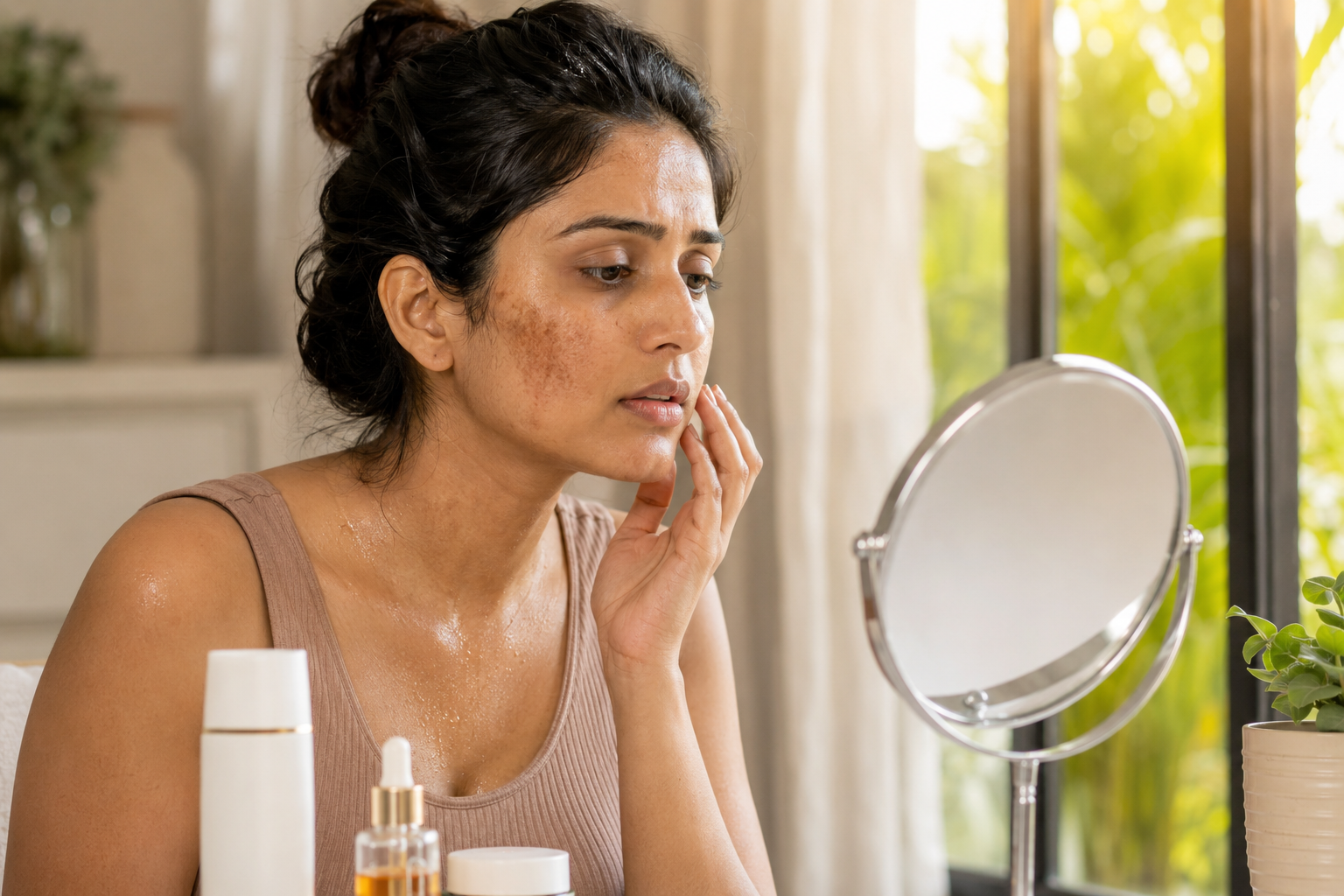
Many people notice a pattern. Despite using sunscreen regularly, their skin appears darker during warmer months. If you are exploring melasma treatment in Varanasi, this experience is quite common.
The reason is simple - melasma is not triggered by sunlight alone. Heat, sweat, and even indoor light can influence how your skin behaves. Understanding these factors can help you manage changes more effectively and make better choices for long-term care.
Why Does Melasma Get Worse in Summer Even with Sunscreen?
This is one of the most searched concerns: melasma getting worse in summer.
Sunscreen protects against UV rays, but melasma responds to more than just UV exposure.
Key reasons:
- Increased heat stimulates pigment-producing cells
- Sweating can reduce sunscreen effectiveness
- Longer daylight exposure increases the cumulative impact
So even with good sunscreen use, summer conditions can still affect pigmentation.
What Role Does Heat Play in Melasma?
Heat is often overlooked but plays a role in melasma.
How heat affects the skin:
- Activates melanocytes (pigment-producing cells)
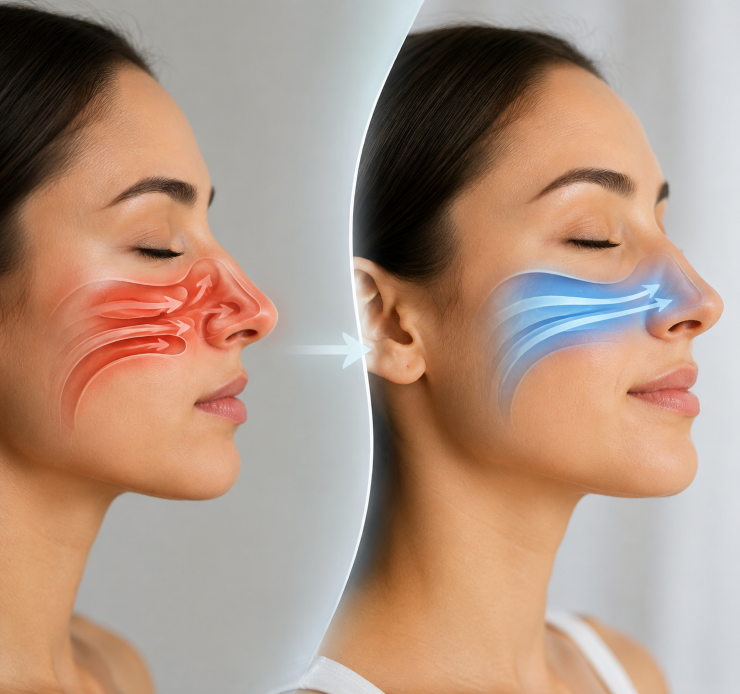
- Increases blood flow, which can deepen pigmentation
- Triggers inflammation that worsens discoloration
This is why melasma triggers heat is an important one. Even activities like cooking or being outdoors briefly can contribute.
Can Visible Light and Indoor Lighting Affect Melasma?
Yes, and this surprises many people.
Melasma is sensitive not only to UV rays but also to visible light, including:
- Sunlight passing through windows
- LED screens (phones, laptops)
- Indoor lighting
This type of sun-induced pigmentation can gradually darken patches over time, especially with prolonged exposure.
Why Does Sunscreen Sometimes Feel Like It’s Not Working?
Many people feel that sunscreen alone is not enough—and in some cases, that is true.
Reasons why sunscreen may seem less effective:
- It protects mainly against UV, not all visible light
- It may not be reapplied consistently
- Sweat and oil can reduce its coverage
- The SPF level or type may not suit your needs
This explains why people often search for “sunscreen not working for melasma.”
What Makes Summer Different for Melasma Compared to Other Seasons?
Summer combines multiple triggers at once.
Seasonal factors include:
- Higher temperatures
- Increased humidity and sweating
- More outdoor exposure
- Greater intensity of light
Compared to cooler months, these combined factors can make melasma appear more noticeable.
What Helps Manage Melasma Beyond Sunscreen?
Sunscreen is important, but it works best as part of a broader approach.
Helpful practices:
- Use physical protection like hats or umbrellas
- Stay in shaded areas when possible
- Avoid peak heat hours
- Keep skin cool and hydrated
- Follow a gentle skincare routine
These small steps support better outcomes over time.
How Does Lifestyle Affect Melasma During Summer?
Daily habits can influence how your skin responds.
Common lifestyle triggers:
- Outdoor work or travel
- Exposure to heat in kitchens or workplaces
- Irregular skincare routine
- Skipping sun protection indoors
Being aware of these factors can help you make simple adjustments.
Is It Possible to Prevent Melasma from Darkening in Summer?
While melasma may still respond to seasonal changes, it can be managed with consistency.
Preventive steps:
- Apply sunscreen regularly and reapply when needed
- Combine sunscreen with physical protection
- Limit prolonged heat exposure
- Follow a steady skincare routine
The goal is not perfection, but gradual control.
How Is Melasma Treatment in Varanasi Planned for Summer?
Treatment approaches may be adjusted based on seasonal changes.
Doctors often consider:
- Current skin sensitivity
- Degree of pigmentation
- Lifestyle and exposure patterns
- Long-term maintenance needs
This ensures the approach remains gentle and suitable for the skin.
What Is the Best Treatment for Melasma in India During Summer?
There is no single solution that works for everyone.
The best treatment for melasma in India depends on:
- Type of melasma
- Depth of pigmentation
- Individual skin response
A balanced, personalized plan usually gives the most stable results.
Understanding Triggers Helps You Stay in Control
Melasma does not respond to a single factor, which is why it may appear more noticeable during the summer. Heat, visible light, and daily habits all play a role alongside sun exposure.
If you feel your skin is changing despite taking precautions, seeking guidance can help you better understand your triggers and plan your care more effectively. When you’re ready, you can book a consultation at Banaras Plastic Surgery Hospital with Dr. Prashant Baranwal for a personalized approach to melasma treatment in Varanasi.
FAQs
Why is my melasma getting worse in summer, even with sunscreen?
Melasma getting worse in summer is common due to heat, sweat, and visible light exposure. Sunscreen helps, but these additional triggers can still influence pigmentation.
Can heat alone trigger melasma?
Yes. Melasma triggers heat, which can activate pigment cells and worsen discoloration, even without direct sun exposure.
Does indoor light affect melasma?
Yes. Visible light from screens and indoor sources can contribute to sun-induced pigmentation over time, especially with prolonged exposure.
Is sunscreen enough to control melasma?
Sunscreen is essential, but it works best when combined with physical protection, lifestyle adjustments, and consistent skincare.
What is the best way to manage melasma in summer?
A combination of sun protection, avoiding heat triggers, and following a personalized care plan helps manage melasma effectively during summer.