HydraFacial has quietly become one of the most requested skin treatments in clinics across India — and for good reason. It promises cleaner pores, brighter skin, and zero downtime, all in under an hour. But with any skin procedure gaining rapid popularity, a fair question follows: is it actually safe?
The short answer is yes — for most people. Understanding who benefits, who should pause, and what side effects are possible will help you make a genuinely informed decision rather than a trend-driven one.
What Is a HydraFacial?
HydraFacial is a multi-step facial treatment that uses a patented device to cleanse, exfoliate, extract, and infuse the skin with serums — all in a single session. Unlike traditional facials, it doesn't rely on manual extraction or harsh chemicals.
The process works in stages:
- Cleanse and peel — removes dead skin cells using mild acids
- Extract and hydrate — uses suction to clear pores while delivering hydrating serums
- Fuse and protect — delivers antioxidants and peptides to nourish the skin
The result is immediate skin clarity, which is a large part of why it has grown so popular.
Is HydraFacial Safe for Most Skin Types?
Yes. HydraFacial is considered safe for a wide range of skin types and tones, including darker Indian skin tones that are more prone to post-inflammatory hyperpigmentation after aggressive treatments.
Because it avoids abrasive physical scrubbing and uses gentle vortex suction instead of forceful manual extraction, the risk of trauma to the skin is low.
It is generally well-suited for:
- Normal, dry, oily, and combination skin
- Skin with mild to moderate congestion and enlarged pores
- Dull or uneven skin tone
- Early signs of ageing such as fine lines and mild sun damage
Common Side Effects: What to Expect
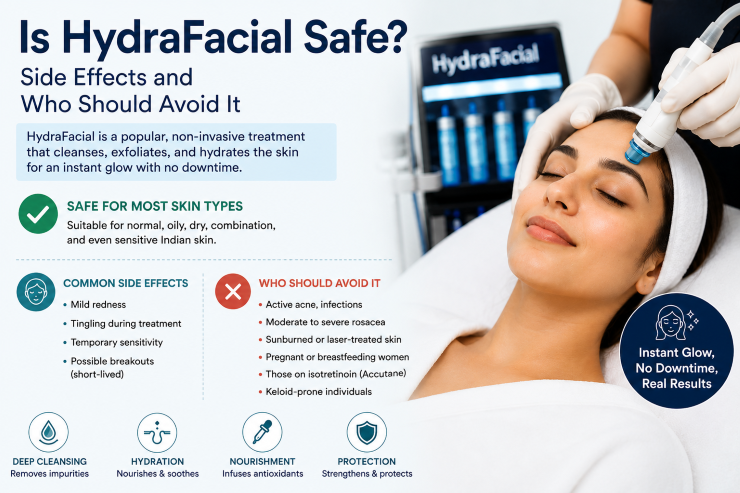
Most people walk out of a HydraFacial session looking immediately better. However, some mild reactions are normal and typically resolve within 24 to 48 hours.
- Temporary redness is the most commonly reported side effect, especially in people with sensitive skin or rosacea-prone skin. This is the skin's natural response to exfoliation and suction.
- Mild tingling during the procedure is normal, particularly during the peel step. It should not be painful. If it is, the esthetician or doctor should be informed immediately.
- Skin sensitivity in the hours following the treatment may make your skin react more to sun exposure, so avoiding direct sunlight and applying SPF 30 or higher is non-negotiable post-treatment.
- Breakouts in the first 24–48 hours can sometimes occur as congestion is brought to the surface. This is a purging response and usually short-lived.
More Serious Reactions — Rare but Real
While uncommon, some individuals may experience:
- Allergic reactions to the serums used (particularly those containing botanical extracts or hyaluronic acid blends)
- Persistent redness or irritation lasting more than 48 hours
- Increased sensitivity or stinging that doesn't settle post-treatment
If any of these occur, the skin should not be treated again until a qualified professional reviews the reaction. This is especially important in medical settings, where serums can be customised and skin history is properly documented.
Who Should Avoid HydraFacial
This is the section most blogs skip — and it's the most important one.
HydraFacial is not universally appropriate. Avoid it, or consult a qualified doctor before proceeding, if you fall into any of the following categories:
Active skin infections or conditions
Anyone with active acne cysts, open wounds, cold sores, or dermatitis should wait until the condition resolves. The suction mechanism can spread bacteria across the face.
Rosacea (moderate to severe)
Mild rosacea may tolerate HydraFacial well, but moderate to severe cases can flare up significantly. A medical evaluation beforehand is essential.
Sunburned or recently laser-treated skin
If the skin barrier is already compromised, HydraFacial can cause irritation rather than improvement. A minimum waiting period post-laser or post-chemical peel is typically recommended.
Pregnant or breastfeeding women
Certain serum ingredients are not cleared for use during pregnancy. Most reputable clinics will defer the treatment until after delivery and nursing.
Those on isotretinoin (Accutane)
Isotretinoin thins the skin significantly. Most dermatologists recommend waiting at least six months after completing the course before any exfoliating treatment.
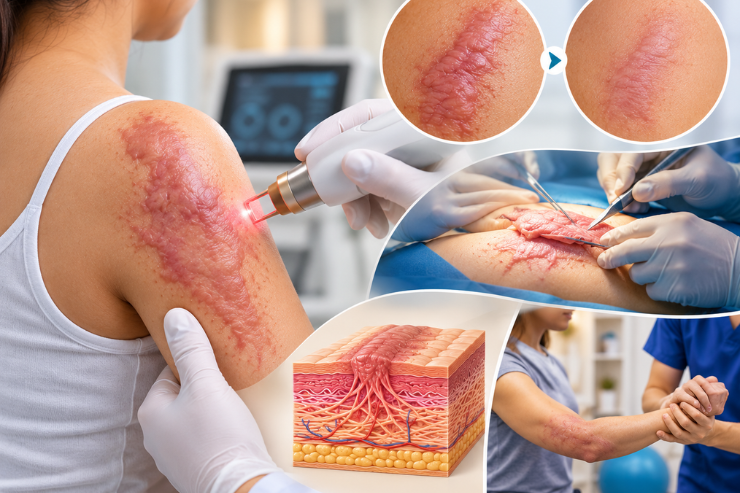
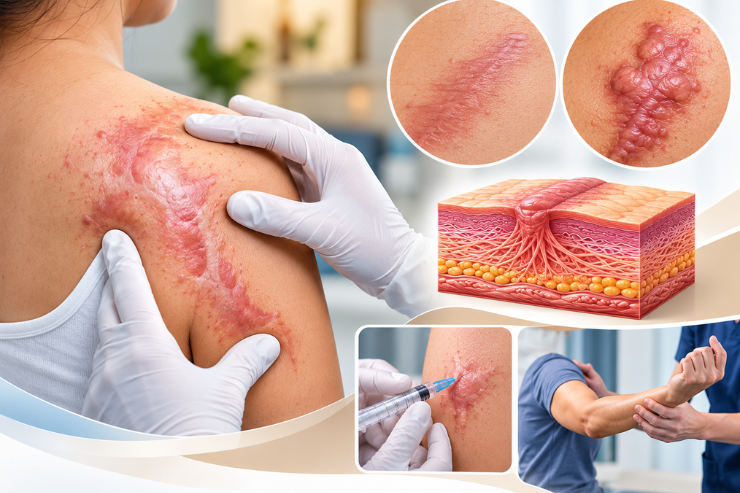
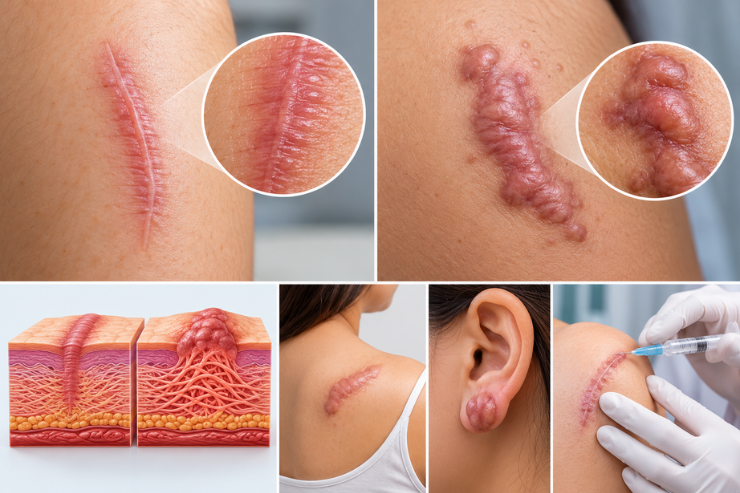
History of keloid scarring
Though rare, individuals prone to keloid formation should proceed cautiously with any skin procedure.
How Many Sessions Are Needed?
A single session delivers visible results, which is part of the appeal. However, for concerns like pigmentation, fine lines, or persistent congestion, a course of 4 to 6 sessions spaced two to four weeks apart produces more lasting improvement.
Maintenance sessions once a month or every six weeks help sustain results over time.
Does HydraFacial Work for Indian Skin?
Yes — and this matters specifically in the Indian context. Treatments designed primarily for lighter skin tones can trigger hyperpigmentation in Fitzpatrick Type IV–VI skin (which includes most South Asian skin tones). HydraFacial, because it uses controlled suction and gentle chemical exfoliation rather than aggressive abrasion, is generally considered safe for Indian skin when performed correctly.
The key phrase there is "when performed correctly." The choice of serum, the suction intensity, and the step sequence all need to be calibrated to the individual's skin — which is why clinic and practitioner selection matters considerably.
Before You Book: Questions Worth Asking
Before your first session, confirm the following with your provider:
- Will the serum ingredients be reviewed against any allergies or skin sensitivities?
- Is the device a genuine HydraFacial MD system, or a generic alternative?
- Will a patch test be conducted if you have sensitive or reactive skin?
- What aftercare protocol is recommended for your specific skin type?
These aren't overcautious questions. They're the standard you should expect from any clinic that takes skin health seriously.
Making the Right Call for Your Skin
HydraFacial is one of the safer facial treatments available today — but "safe" is always relative to the individual, the skin condition, and the hands performing the procedure.
If you are in Varanasi and considering a HydraFacial or any other cosmetic skin treatment, Banaras Plastic Surgery Hospital offers medically supervised aesthetic care under the guidance of Dr. Prashant Baranwal, one of the most experienced plastic surgeons in Varanasi. With a thorough understanding of skin health, surgical and non-surgical aesthetics, and the nuances of Indian skin, the team ensures every treatment is matched to your skin's actual needs — not just the trend.
Book a consultation today. Because good skin starts with the right guidance.
Frequently Asked Questions
Q1. Will HydraFacial cause breakouts on my skin?
Some people notice small pimples appearing a day or two after a session. This happens because the treatment draws out congestion that was sitting just beneath the skin's surface. It is usually short-lived and a sign that the treatment is working. If breakouts persist beyond three to four days, check with your provider.
Q2. Can I get a HydraFacial if I have sensitive skin?
Yes, but with adjustments. The serum strength and suction level can be dialled down for sensitive skin types. Always inform your provider about any skin conditions, allergies, or history of reactions before the session begins.
Q3. How long do HydraFacial results actually last?
One session typically gives visible glow and clarity for about a week to ten days. For longer-lasting improvements in texture, pigmentation, or pore size, a course of multiple sessions is more effective. Maintenance sessions every four to six weeks help sustain the results.
Q4. Is HydraFacial painful?
No. Most people describe it as a cool, gentle suction sensation — comparable to a light massage. The exfoliation step may cause mild tingling, but the procedure should not hurt. If you feel any discomfort, let your provider know immediately.
Q5. Can I wear makeup right after a HydraFacial?
It is best to avoid makeup for at least 12 to 24 hours after the treatment. The skin has been deeply cleansed and the pores are open. Applying makeup too soon can clog them and counteract the benefits of the session. Keeping the skin clean, moisturised, and protected with SPF is the best post-treatment routine.