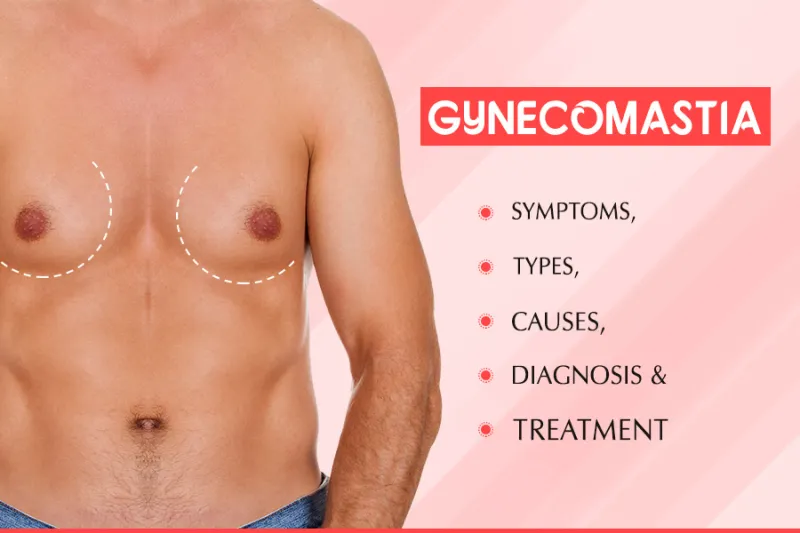
Many men notice changes in their chest at some point in life. Sometimes it happens during teenage years, sometimes later in adulthood—even in men who exercise regularly. When the chest begins to look fuller or slightly breast-like, it can raise questions and even affect confidence.
This condition is called gynecomastia, and it is more common than most people realize. The good news is that understanding why it happens can make the situation much less confusing. In most cases, the reasons come down to three main factors: hormones, lifestyle habits, and genetics.
Understanding why it happens can help men take the right steps toward treatment and confidence.
What Exactly Is Gynecomastia?
Gynecomastia refers to the enlargement of male breast tissue caused by hormonal imbalance. Men naturally produce both testosterone and estrogen. Testosterone shapes male physical traits, while estrogen plays a smaller but important role.
When estrogen levels increase or testosterone levels decrease, the balance shifts. As a result, breast tissue may start growing.
Some men notice mild swelling, while others develop a more visible chest shape that resembles female breast tissue. When the enlargement becomes persistent, many begin exploring treatment options such as male breast reduction surgery in Varanasi.
Hormones: The Primary Reason Behind Gynecomastia
Hormones play the biggest role in most cases of gynecomastia. Several life stages can affect hormone balance.
During Puberty
Teenage boys often experience temporary breast swelling during puberty. Hormone levels fluctuate rapidly during this stage. In many cases, the condition settles on its own within one or two years.
As Men Age
As men grow older, testosterone levels slowly decline. This change may allow estrogen to have a stronger effect on the body, which can lead to breast tissue growth.
Certain Health Conditions
Some medical conditions involving the thyroid, liver, or hormone-producing glands can also affect hormone levels and trigger gynecomastia.
If chest enlargement continues for a long time, consulting a specialist experienced in plastic surgery in Varanasi can help identify the exact cause.
Lifestyle Habits That Can Trigger Gynecomastia
Daily habits can also influence hormone balance and body composition.
Weight Gain and Obesity
Excess fat tissue can increase estrogen production. This hormonal shift can stimulate breast tissue growth in men.
Alcohol Consumption
Heavy alcohol intake can affect hormone levels and liver function, both of which play a role in gynecomastia.
Steroid Use
Some gym supplements and anabolic steroids can disrupt the body’s natural hormone balance. Many young men develop gynecomastia after prolonged steroid use.
Recreational Drugs
Certain drugs may also affect hormone regulation and contribute to male breast enlargement.
While improving lifestyle habits can help reduce fat around the chest, glandular tissue usually requires medical treatment such as male breast reduction in Varanasi.
Medications That May Lead to Gynecomastia
Some prescription medications can influence hormone levels. These include drugs used to treat heart disease, anxiety, depression, or hormone-related conditions.
If chest enlargement appears after starting a medication, it is always wise to discuss the issue with a doctor. In some situations, adjusting the treatment plan can help manage the condition.
Genetics: A Factor Many Men Overlook
Family history can also influence gynecomastia. Some men naturally have higher sensitivity to estrogen or a tendency toward hormonal imbalance.
If male breast enlargement appears in several family members, genetics may play a role. While genetics cannot be changed, medical treatments can effectively address the physical symptoms.
In such cases, procedures like gynecomastia surgery in Varanasi can remove excess glandular tissue and restore a flatter, more masculine chest.
When Should Men Consider Treatment?
Not every case of gynecomastia needs surgery. Mild cases related to puberty or weight gain may improve over time.
However, treatment may be worth considering if:
- The chest enlargement lasts for several years
- Exercise and weight loss do not improve the condition
- Pain or tenderness develops
- Self-confidence begins to suffer
Modern techniques used in cosmetic surgery in Varanasi allow surgeons to remove excess glandular tissue with minimal scarring and natural-looking results.
Regaining Confidence and Comfort
Gynecomastia can affect physical appearance and emotional confidence, but it is a treatable condition. Understanding the real causes—whether hormonal, lifestyle-related, or genetic—helps men make informed decisions about their health.
For men looking for expert guidance and effective solutions, Banaras Plastic Surgery Hospital, led by Dr Prashant Baranwal, an experienced plastic surgeon in Varanasi, offers advanced treatment options including male breast reduction surgery.
If chest enlargement has been affecting your confidence, schedule a consultation today and take the first step toward a more confident you.
Frequently Asked Questions
1. Can gynecomastia disappear without treatment?
Yes, especially during puberty. Hormonal changes during teenage years often resolve naturally within one or two years.
2. Is gynecomastia the same as chest fat?
No. Chest fat occurs due to weight gain, while gynecomastia involves the growth of glandular breast tissue.
3. Does gym exercise cure gynecomastia?
Exercise can reduce fat but cannot remove glandular tissue. Persistent cases often require surgery.
4. Is gynecomastia surgery permanent?
Yes. Once the excess glandular tissue is removed, results are usually long-lasting if a healthy lifestyle is maintained.
5. How long does recovery take after gynecomastia surgery?
Most patients return to normal daily activities within one to two weeks, while complete healing may take a few weeks.