Facial burn scars can deeply affect not only your appearance but also your confidence and emotional well-being. The good news is — burn surgery specialists now offer advanced reconstructive procedures that help reduce scars, restore function, and bring back a sense of normalcy.
While the scars may remind you of a painful past, reconstructive burn surgery can open the door to healing, both physically and emotionally. In this guide, we will discuss how modern techniques can transform the lives of burn survivors, especially those with facial scars.
Understanding Facial Burn Scars
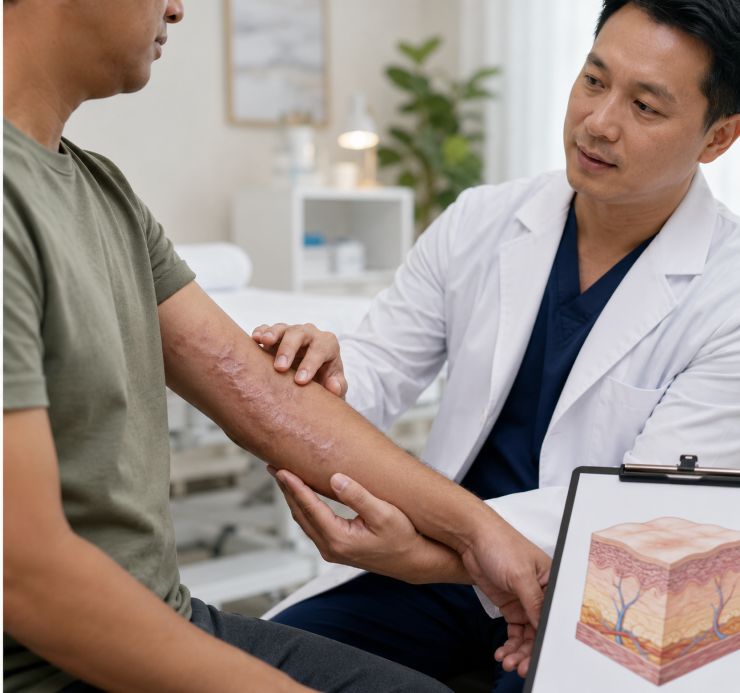
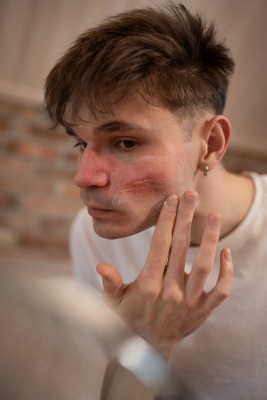
Facial skin is delicate, and burns often leave scars that may be raised, tight, or discoloured. Some patients also experience functional challenges like difficulty in closing their eyes, smiling, or speaking naturally.
Types of Facial Burn Scars
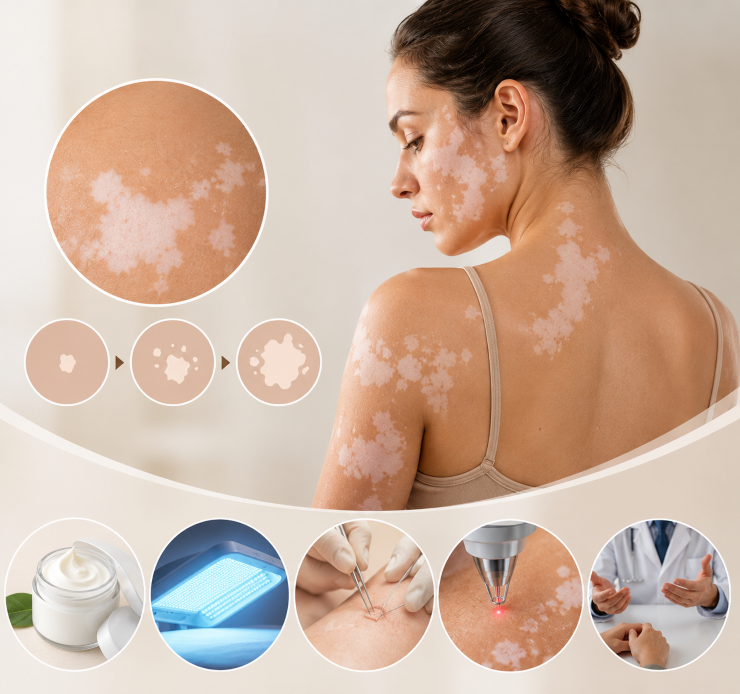
Facial burn scars develop when the skin heals after a burn injury. Unlike other injuries, burns often damage multiple layers of skin, leading to more visible and complex scarring. The type of burn scars:
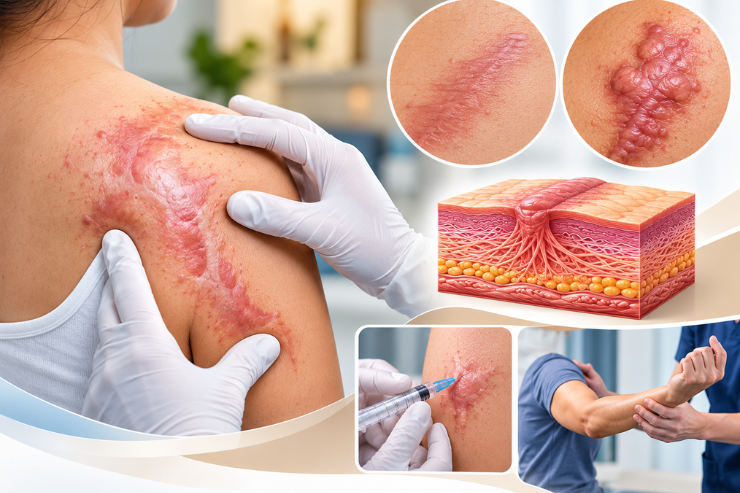
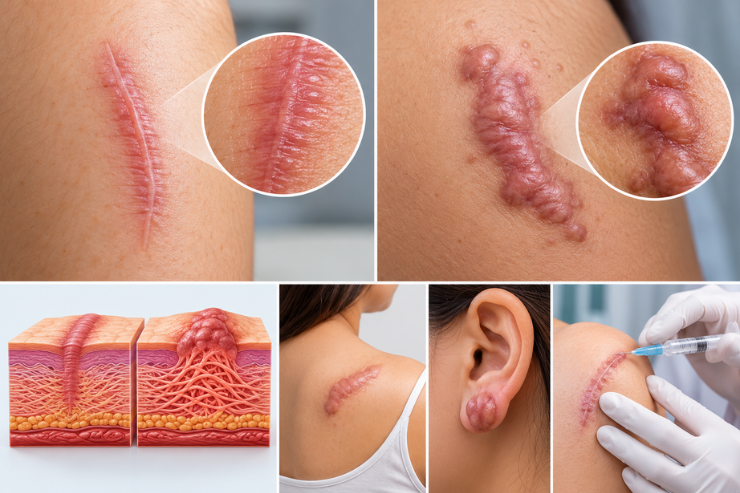
- Hypertrophic (raised) – thick and red scars that may feel tight.
- Contractures – scars that restrict movement, especially around the eyes, mouth, or neck.
- Keloids – overgrown scar tissue that extends beyond the wound.
- Discolourations – uneven pigmentation that draws attention to the scar.
Beyond the physical, these scars can influence self-esteem and social interactions, making treatment an essential step toward recovery.
How Reconstructive Burn Surgery Helps
As a burn specialist doctor in Varanasi, Dr. Prashant Baranwal explains, reconstructive burn surgery is not about erasing the past—it’s about restoring comfort, function, and confidence. Every advanced technique is tailored to each patient’s unique needs.
Common Treatments For Facial Burn Scars
- 1. Scar Revision Surgery
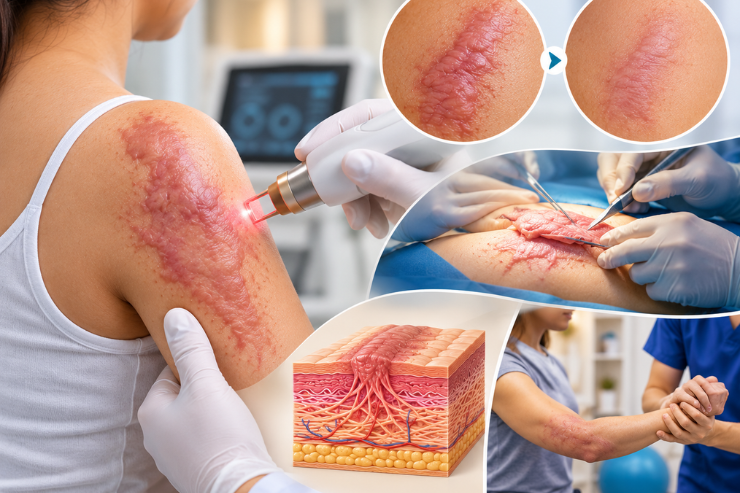
This procedure improves the appearance of existing scars by repositioning or reducing their visibility. While it cannot erase scars completely, it blends them with natural facial lines.
- 2. Skin Grafting
In cases of deep burns, skin grafting may be necessary. Healthy skin from another part of the body is transplanted onto the affected area. This restores lost skin and helps prevent contractures.
- 3. Flap Surgery
For more severe deformities, tissue flaps—comprising skin, fat, and sometimes muscle—are moved from one part of the body to the face. This provides better coverage, elasticity, and a more natural look.
- 4. Laser Therapy
Laser treatments target pigmentation, redness, and raised scars. They also improve skin texture, making scars less noticeable over time.
- 5. Injectables and Fillers
For shallow depressions or uneven surfaces, dermal fillers can smooth out skin, while steroid injections help flatten raised scars.
- 6. Physical and Occupational Therapy
Reconstructive surgery is often complemented by therapy to restore mobility in facial muscles and joints. For example, if contracture scars affect jaw movement, therapy ensures better recovery.
The choice of treatment depends on the severity of the burn, the location of the scar, and your overall health. Often, a combination of approaches gives the best results.
The Psychological Impact Of Facial Burn Scars
Physical healing is just one part of recovery. Survivors often face social stigma, anxiety, and depression. Many withdraw from public life, fearing judgment or stares. For women and men in their 20s and 30s, when social and professional interactions matter most, these scars can deeply affect self-esteem.
Reconstructive burn surgery offers more than cosmetic correction—it gives survivors a chance to reclaim their lives. Improved appearance helps them engage in social interactions more comfortably, reducing emotional distress and opening doors to lively opportunities.
Why Choose A Burn Surgery Specialist?
When it comes to facial burn scars, expertise matters. A burn surgery specialist understands the complex anatomy of the face and tailors each procedure to preserve both aesthetics and function. Expert approach combines precision with a compassionate understanding of each patient’s unique needs.
If you’re considering post-burn deformity treatment, here are a few things to keep in mind:
- Set Realistic Goals: Surgery improves scars but may not eliminate them completely.
- Commit to Aftercare: Follow post-surgical instructions carefully for best results.
- Address Emotional Healing: Consider counselling or support groups alongside surgery.
- Be Patient: Healing takes time, and improvements are often gradual.
Final Thoughts
Facial burn scars can be challenging, but they don’t have to define your life. Modern reconstructive burn surgery offers significant improvement in both appearance and function.
Book a consultation with burn specialist doctor in Varanasi, Dr. Prashant Baranwal, to explore the best treatment options for your facial burn scars.
FAQs About Burn Surgery for Facial Scars
No surgery can make scars disappear entirely, but treatments can significantly reduce their appearance and improve function.
Discomfort is common during the recovery phase, but pain is well-managed with medications and post-operative care.
Recovery varies—minor procedures may heal in weeks, while complex surgeries may take months with ongoing follow-up.
Yes, treatments like laser therapy, pressure garments, and injectables can help, especially for less severe scars.
A consultation with a burn surgery specialist is the best way to assess your scar, health condition, and treatment goals.