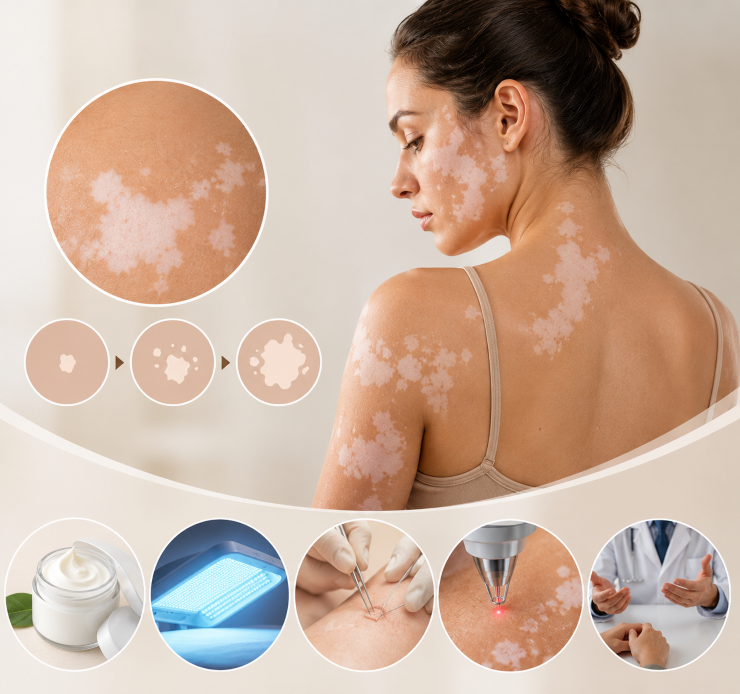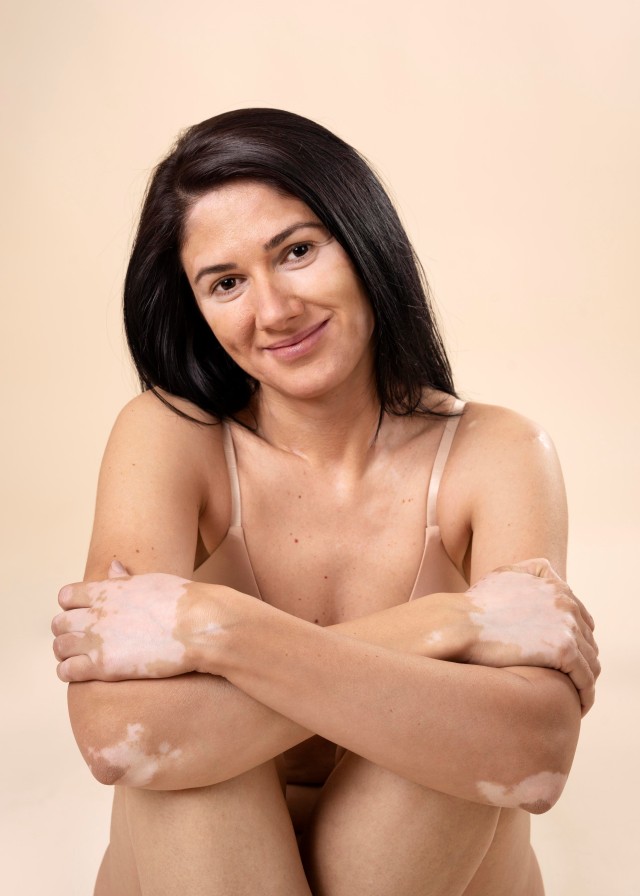
Let’s begin with one truth— If you’ve undergone treatment for vitiligo, you already know it’s not just “skin deep.” No, it’s not “just white patches.” And no—it’s not something people around you understand until they’ve seen the mirror the way you have.
But here’s something we do understand. Post-treatment care is where real healing begins.
Whether you’re recovering from phototherapy, a surgical grafting session, or pigment restoration procedures under Dr. Prashant Baranwal at Banaras Plastic Surgery Hospital, this phase matters more than most realize.
And this isn’t some basic skincare routine—it’s the disciplined, mindful aftercare that protects everything you’ve fought hard to restore.
Still Wondering Why Aftercare Feels Like A Full-Time Job?
Let’s put it simply. Clinical sessions help stimulate pigment, yes. But your skin doesn’t lock those results overnight. It adjusts. It reacts. And if you don’t listen to it post-treatment, it might just retreat.
You might ask—
“I’ve already done the treatment. Isn’t that enough?”
Not quite.
Vitiligo is unpredictable. It has a sneaky way of returning if you don’t guard your skin like it’s sacred. That’s why this blog isn’t about medical jargon. It's about surviving—with your confidence, skin, and long-term outcomes unharmed.
What Should You Do Right After Your Session?
Let’s say it’s Day One post-treatment. You’ve just returned from the clinic.
Your skin may feel:
- Slightly warm
- A little itchy
- Or visibly red in some spots
Don’t panic. But also—don’t ignore.
1. Protect Skin From The Sun Like It’s A Fresh Wound
This can’t be overstated. Skin that has just received treatment is extremely hypersensitive; UV damage can occur even in overcast skies.
Do this:
- Use a dermatologist-approved sunscreen (SPF 50+)
- Reapply every 2–3 hours if outdoors
- Avoid peak sunlight between 11 AM – 3 PM
- Cover up with soft, breathable fabric
- Wear hats, scarves—not for fashion, but for healing
Why it matters: Any sunburn post-treatment can reverse pigment restoration and cause further depigmentation.
2. Hydration Is Not A Luxury—It’s A Must
You might feel your skin tightening or drying out. This is an indication to take care of, not ignore.
Do this:
- Use unscented moisturizers—nothing harsh
- Apply immediately after bath/shower
- Avoid scrubs or exfoliants at all costs
Why it matters: Dry skin worsens vitiligo spread. Moisturized skin heals faster and retains treatment effects longer.
3. Cleanse Gently, Not Aggressively
Don’t treat your treated skin like regular skin. This is not the time for chemical face washes or soap bars.
Do this:
- Switch to pH-balanced cleansers
- Dab—never rub—your skin dry
- Avoid hot water
Why it matters: Irritated skin can develop new patches. Post-treatment, gentleness is non-negotiable.
The First 30 Days: How to Avoid the “Silent Slips”
You may not see a relapse right away. Because of this, a lot of people become overly at ease too quickly.
But here's what we see at Banaras Plastic Surgery Hospital: Some patients do everything right—until the third week. Then, they skip sunscreen once. They try makeup again. They rub their skin a little too hard... and suddenly, the pigment lightens again.
Here’s how to prevent that:
Don’t Resume Old Habits Quickly
Things like:
- Using perfumes directly on treated skin
- Swimming in chlorinated pools
- Applying heavy makeup
- Scratching itchy spots
All of these may seem minor. But they can undo weeks of clinical effort.
Do Stick to Your Doctor’s Follow-up Plan
Dr. Prashant Baranwal may suggest topical applications (like tacrolimus or corticosteroids), light therapy maintenance, or repeat reviews. Follow them like a ritual.
Missed one week? That’s all it takes for the results to fade.
This isn't about fear—it’s about reality. Vitiligo care is consistency, not intensity.
What About Food & Lifestyle? Do They Matter?
They absolutely do. Your skin is your largest organ. And it reflects what’s happening inside.
Eat To Heal
You may hear myths like “avoid citrus” or “don’t eat white foods.” While there’s no blanket ban, you should:
- Focus on immune-supporting foods: leafy greens, carrots, beetroot, fish
- Stay hydrated
- Cut down inflammatory triggers like junk food, alcohol, or stress snacks
Lower Your Stress to Guard Your Skin
Stress doesn’t just cloud your mind—it directly impacts your skin's response to treatment. It can even trigger new vitiligo patches.
Try this:
- Include deep breathing or light yoga
- Set boundaries for digital fatigue
- Journal. Reflect. Unwind.
What If You Notice A Patch Reappearing?
Don’t panic. Don’t self-medicate. Come back to us. Banaras Plastic Surgery Hospital is equipped to track and tackle recurrences early. One visit could prevent a relapse.
Final Words from the Doctor’s Desk
Here’s what Dr. Prashant Baranwal tells every patient
You didn’t come this far to slip now.
Let your aftercare be your shield. Allow your skin to breathe, heal, and retain the result. You are not alone—and we at Banaras Plastic Surgery Hospital walk this journey with you.
Still Have Questions?
We get it. Post-treatment care can feel overwhelming. But that’s where our consultation comes in. Let’s talk. Ask. Learn. We’re just a call away.
FAQs
In the first few days post-treatment, your skin is super sensitive. Treat it like a healing wound. Use high-SPF sunscreen even if it’s cloudy, wear soft clothes, and avoid direct sunlight. Keep your skin well-moisturized with fragrance-free products and skip hot water baths. Avoid makeup, scrubs, or anything harsh—this is your skin’s recovery time.
Not right away. Sun exposure can damage the healing skin and reverse pigment restoration. If you must go outside, wear sunscreen (SPF 50+), reapply every 2–3 hours, and stay covered with breathable clothing. It’s best to avoid peak sunlight hours (11 AM – 3 PM) for at least a few weeks.
There’s no one-size-fits-all diet, but focusing on immune-boosting foods helps. Add leafy greens, carrots, fish, and beetroot to your meals. Drink plenty of water. Try to avoid junk food, alcohol, and stress-snacking. And don’t fall for myths like “don’t eat citrus”—listen to your body and consult your doctor for any specific restrictions.
Yes, mild itchiness or redness is common right after treatment. It’s your skin reacting and healing. But don’t scratch or apply random creams. Use gentle moisturizers and avoid irritating products. If anything feels unusual or worsens, get in touch with your doctor—early attention prevents complications.
It’s possible, but not the end. Vitiligo is a chronic condition and may reappear if aftercare isn’t followed properly. If you see a patch returning, don’t panic or try home remedies. Book a follow-up with your doctor immediately. Early treatment of re-pigmentation loss can help restore results faster.
Read More: How To Treat Vitiligo And Support Skin Health Naturally?