If you've recently been diagnosed with vitiligo, one worry probably sits above the rest: will this keep spreading? It's one of the most common questions patients ask, and it's also one of the hardest to answer with a simple yes or no.
This guide explains how vitiligo may behave over time and outlines the treatment options that may be considered based on your individual condition.
How Fast Does Vitiligo Spread?
There's no fixed answer, because vitiligo behaves differently in each person.
- Some patches stay the same size for years.
- Some spread slowly over a few months.
- A few cases spread quickly for a short time, then stop on their own.
Which is why doctors don't rush into surgery. They usually wait for a period where nothing changes, generally six to twelve months with no new patches, before considering surgical treatment. This waiting period isn't about delaying you. It genuinely improves how well surgery works once you're ready for it.
What Kind of Doctor Treats Vitiligo?
Once patches have stopped spreading, a plastic surgeon who works with vitiligo can evaluate suitable treatment options for selected patients with stable vitiligo. Here's what an expert vitiligo surgeon in India considers before treating:
- Checking stability: The surgeon reviews your patch history to confirm the patches haven't changed for a good stretch of time.
- Deciding if you're a good candidate: Not every patch or every patient is suited to surgery. This is assessed case by case.
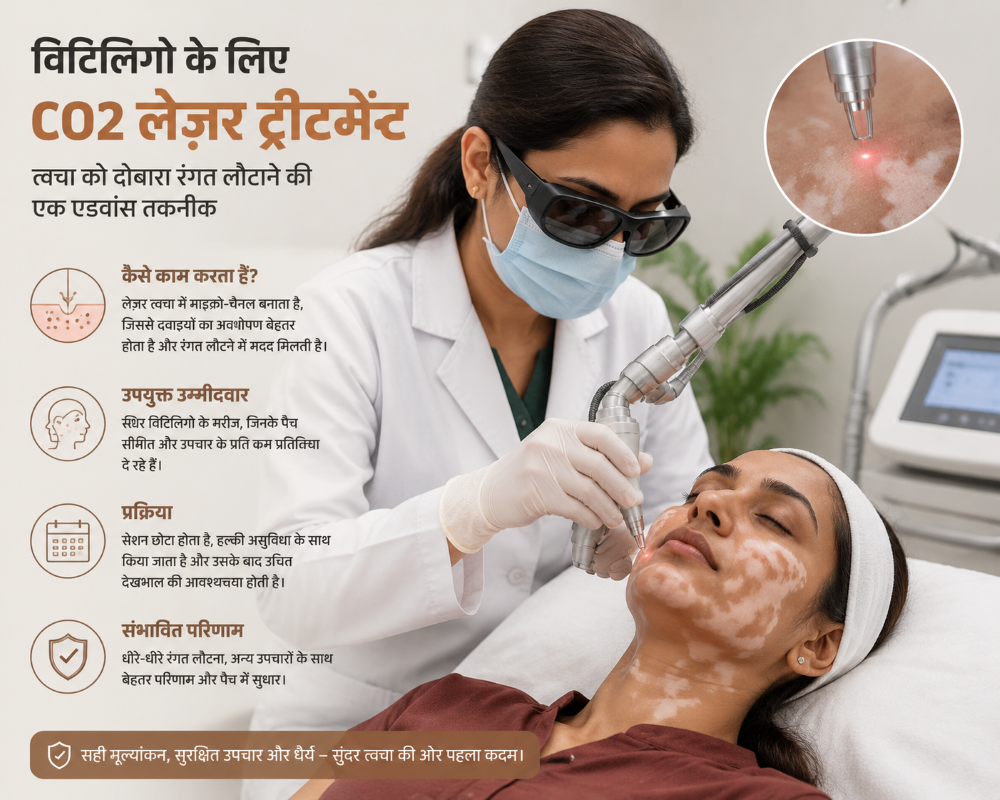
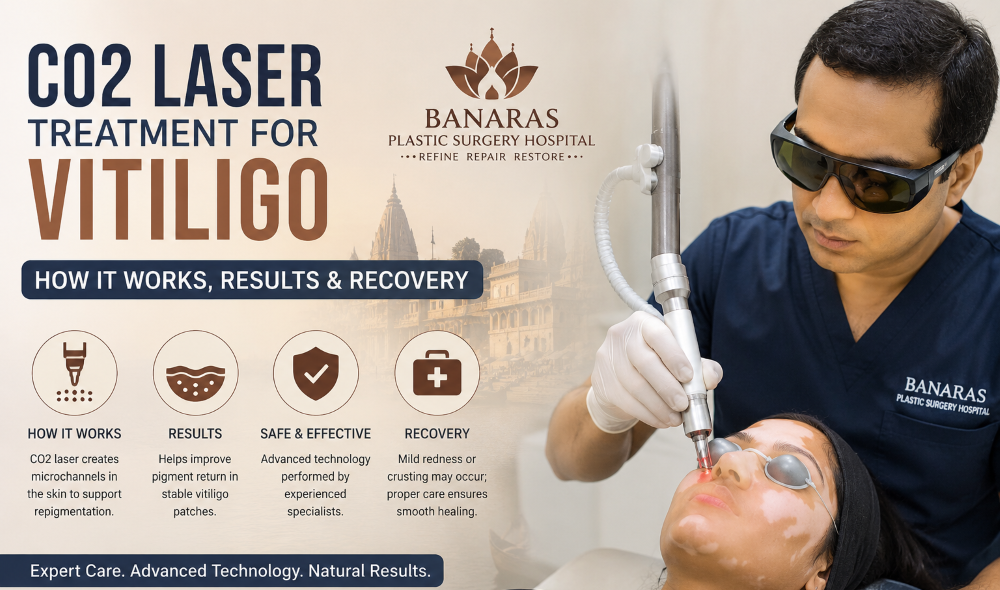
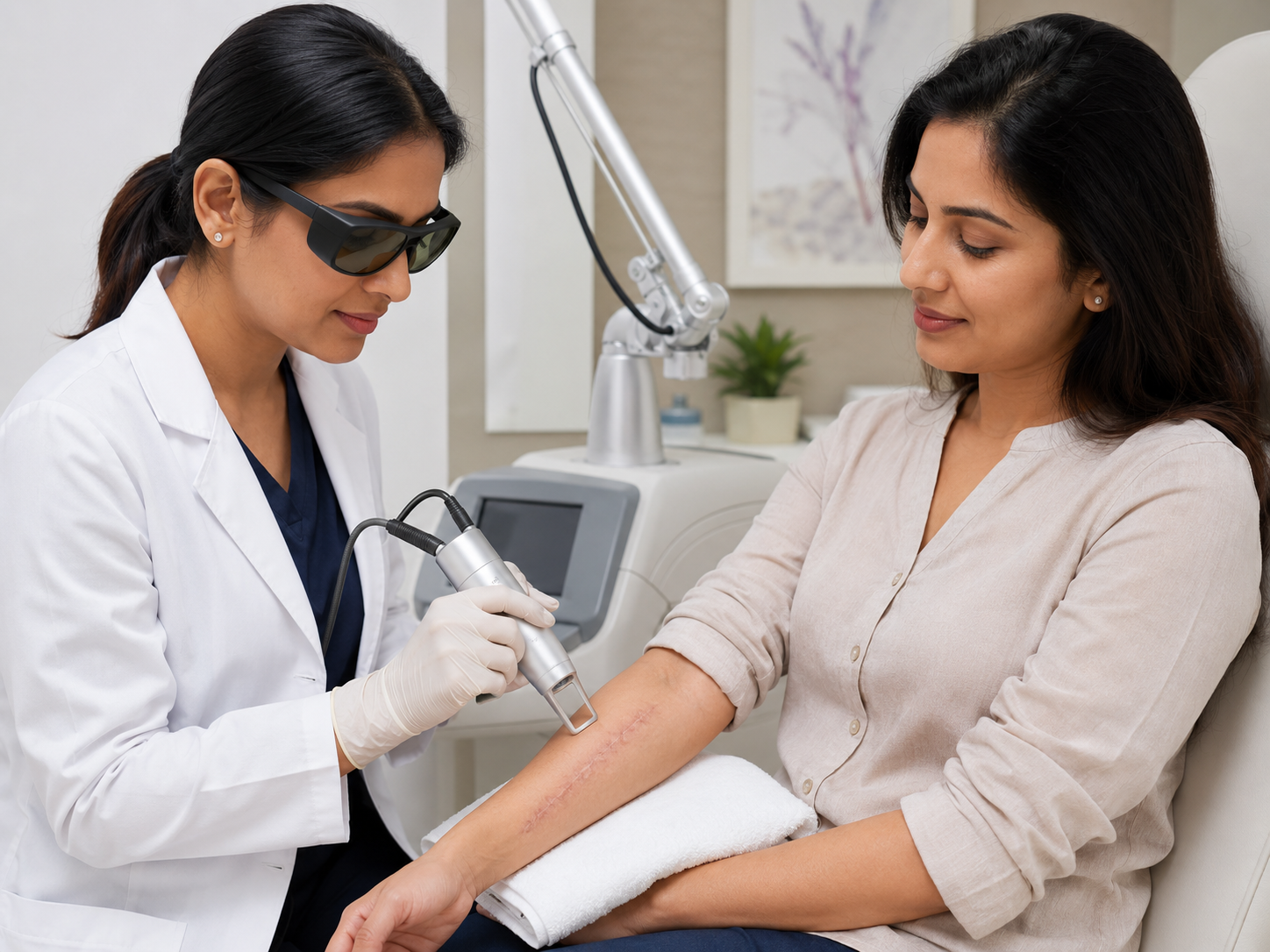
- Performing the procedure: Surgical procedures such as melanocyte transplantation, along with selected laser-based treatments, may be considered and are carried out by a plastic surgeon.
- Guiding your recovery: Getting your skin colour back takes time, and a surgeon oversees your follow-up visits until healing is complete.
If creams or other treatments haven't given you the result you hoped for, and your patches have been stable for a while, this may be an appropriate time to discuss surgical options with your treating doctor or a qualified plastic surgeon experienced in vitiligo surgery.
Treatment Options for Vitiligo
What works for you depends on how long you've had vitiligo, whether it's still spreading, and which part of your body has patches.
- Creams and light therapy are often used first, especially while patches are still active or changing.
- Surgery, such as melanocyte transplantation or laser therapy, is considered once your skin has stayed the same for several months to a year, and other treatments haven't worked well enough.
There isn't one single treatment that suits everyone. A proper check-up helps decide which option fits your specific case.
Can You Get Vitiligo Surgery?
Not everyone with vitiligo needs surgery, and not everyone is ready for it right away. A few things usually decide whether you're a good fit:
- Your patches have been stable for at least six months to a year, with no new spots or changes.
- The patches are on the areas that are considered suitable for surgery after clinical assessment. This is confirmed during your check-up.
- You don't have a condition called the Koebner phenomenon, where new patches tend to form after minor skin injury.
- You have a realistic idea of what result to expect.
Your surgeon will check all of this during your consultation before suggesting surgery as the right step for you.
What Happens During Your First Visit to a Doctor?
Many patients feel nervous before their first visit, simply because they don't know what to expect.
Here's what happens:
- The doctor looks closely at your skin, often using a small handheld light called a Wood's lamp. This helps them see the exact size and edges of your patches clearly.
- Photos of your patches are usually taken. This helps track whether they grow, shrink, or stay the same over time.
- The doctor understands when the patches first appeared, if anyone in your family has vitiligo, and what treatments you've already tried.
This first visit is only a check-up. There are no injections or procedures done on this day.
Checklist For Choosing The Right Vitiligo Doctor
Not every clinic that offers vitiligo treatment works the same way. Here's what you may wish to look for when choosing a doctor experienced in treating vitiligo:
- A proper check-up first. They should look at your full patch history and confirm your skin has stopped changing before suggesting surgery.
- Honest, clear answers. No doctor can promise a full result for every single patient. A good doctor will tell you what to really expect from your case.
- Experience with proven methods. Find a doctor who is familiar with melanocyte transplantation and other accepted surgical techniques, not just creams.
- A clear follow-up plan. Getting your skin colour back takes weeks to months. Your doctor should have a clear follow up plan to check on you during this time.
What Happens on the Day of Vitiligo Surgery?
Knowing the basics ahead of time can ease a lot of pre-surgery nerves.
- Most vitiligo surgeries are done as day-care procedures, so an overnight hospital stay usually isn't needed.
- Local anaesthesia is used, so you stay awake but won't feel pain during the procedure.
- The surgery itself usually takes one to a few hours, depending on the size and number of patches being treated.
- You'll be given care instructions and a follow-up date before heading home the same day.
Recovery Timeline: What to Expect
Every patient heals a little differently, but here's a general idea of how it usually goes:
- First 1-2 weeks: the treated area stays covered with a protective dressing while it heals.
- 3-4 weeks: early signs of colour may start to appear.
- 3-6 months: full repigmentation is usually visible, though the exact timing can vary from person to person.
Your surgeon will guide you through each stage with scheduled follow-up visits.
Does Vitiligo Treatment Actually Work?
Yes, but it helps to understand what "working" really means here. Surgery does not cure vitiligo itself, which happens because the body's own defence system attacks the cells that give skin its colour. What surgery does is to bring colour back to patches that have stopped changing, and help to restore pigmentation in selected stable patches.
In patients whose vitiligo has truly stopped spreading, results from Melanocyte transplantation may help restore pigmentation in appropriately selected patients with stable vitiligo, especially on the face and other visible areas, although outcomes vary person to person.
Take the Next Step With the Right Consultation
The decision to get vitiligo surgery is not an overnight thought. Most people come after months, sometimes years, of using creams that didn't quite work, questions that stayed unanswered, and a quiet hope that someone will finally explain things in a simple way.
A consultation helps determine whether your vitiligo is stable and whether any treatment is appropriate for your condition. It's to find out if your condition is stable, what result you can really expect, and whether the surgery is the right step for you at the time.
If you have vitiligo and are considering treatment, consult your treating doctor or a qualified plastic surgeon experienced in vitiligo surgery to understand what is appropriate for your condition and decide what feels right, at your own pace.
Author: Dr. Prashant Baranwal, Plastic & Aesthetic Surgeon, Director, Banaras Plastic Surgery Hospital.
Frequently Asked Questions
1. Can vitiligo be cured by surgery?
Not fully. Surgery brings back colour in patches that have stopped changing, but it doesn't cure the condition itself. Some patients may still see new patches appear elsewhere, even after a successful surgery.
2. Does vitiligo treatment work for everyone?
Not in the exact same way for every person. It depends on how stable your skin is, which area is treated, and your skin type. That's why a proper check-up before starting treatment matters so much.
3. Can vitiligo spread again after surgery?
It's possible. Surgery treats the patches that were stable at the time, but it doesn't stop the underlying condition. New patches can appear elsewhere later, which is why regular follow-up matters even after treatment.
4. What is the recommended treatment for vitiligo in India?
It depends on your stage of vitiligo. Creams and light therapy are commonly used as initial treatment options. Surgery, like melanocyte transplantation, is often suggested once your skin has been stable for a while.
5. What is "safed daag ki surgery"? Is it the same as vitiligo surgery?
Yes. "Safed daag ki surgery" is simply the Hindi term patients use for vitiligo surgery, including treatments like melanocyte transplantation. It refers to the same surgery used to bring back colour in stable white patches.
Disclaimer: This content is for general educational purposes only and does not constitute medical advice. Outcomes vary between individuals. Please consult your treating doctor for a personalised assessment before starting any treatment.