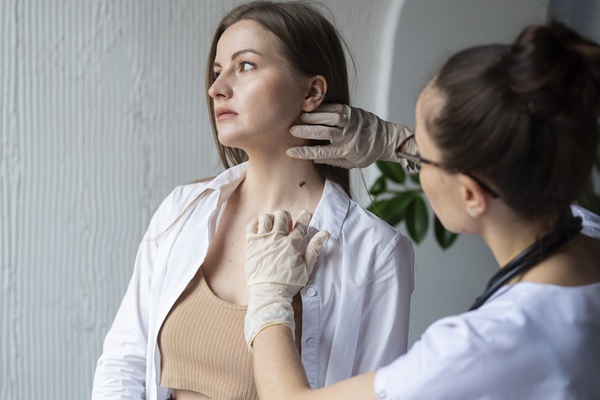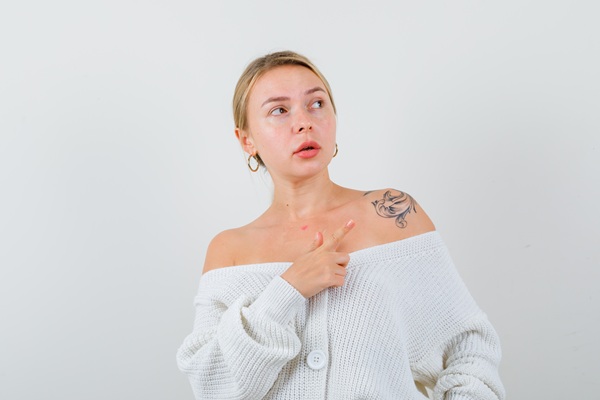
Getting a tattoo removal in Varanasi often begins with one big worry: Will it leave a scar or dark patch behind? Many people come in with stories of stubborn pigmentation, uneven fading, or past experiences where the skin reacted unpredictably. Some fear that the laser might be “too harsh,” while others hesitate after seeing cases of redness that lingered for weeks. These concerns are understandable, because the goal is not only to remove the tattoo—it’s to protect the skin’s texture, tone, and long-term health.
This blog explains how expert technique, the right laser settings, and gentle aftercare work together to minimise skin damage and make the journey safer and smoother.
Worried About Scarring? Here’s What You Should Know First
Many people hesitate to start tattoo removal in Varanasi because they fear scars or skin darkening. This concern is real. Tattoos sit deep in the skin, and the wrong laser settings can irritate or inflame the area.
But the good news is simple:
Scarring is avoidable when the removal is done correctly.
Modern Q-switched and advanced pico lasers break pigment safely without cutting or burning the skin. The key lies in expert handling, gentle aftercare, and choosing a specialist who understands skin healing.
And this is where the experience of a plastic surgeon becomes invaluable.
Why Proper Technique Matters More Than the Machine
Laser machines look similar, yet their impact depends entirely on how they’re used. A trained specialist understands how skin behaves, how deep pigment sits, and how different colours respond.
With expert technique, several risks are reduced significantly:
- Lower chances of burns
- Reduced chances of post-inflammatory hyperpigmentation
- Minimal injury to surrounding skin
- Smoother recovery between sessions
How Laser Tattoo Removal Helps Protect Your Skin (When Done Right)
Laser removal targets pigment, not the skin. This means:
- The ink absorbs the energy
- The surrounding skin remains safe
- The pigment breaks into smaller particles
- Your body clears them over weeks
This process reduces the chance of visible marks or long-term textural change.
However, this smooth result depends on the correct level of energy. Too strong can irritate the skin. Too mild may not work. A balanced approach offers steady fading with minimal trauma.
How to Minimize Scarring Before, During, and After Tattoo Removal
Most people want a clear plan to avoid marks. Here’s what really helps:
1. Start With an Expert Assessment
A good specialist examines:
- Tattoo depth
- Skin tone
- Tattoo colour
- Previous treatment history
- Healing tendency
This allows them to choose the safest settings for your skin.
2. Cooling the Skin Before and After Each Session
Cooling reduces heat, redness, and swelling. It also helps the skin settle faster.
This simple step protects the top layer of skin and prevents unnecessary irritation.
3. Moisturising the Area During Recovery
Tattoo removal can dry out the skin. Moisturising helps the barrier recover and keeps scabs soft.
Dermatologists usually suggest fragrance-free, gentle moisturisers to prevent irritation.
4. Sun Protection Is Non-Negotiable
The treated area becomes more sensitive to sunlight.
Without protection, pigmentation can darken.
Daily sunscreen, shade, and covered clothing help prevent:
- Tanning
- Inflammation
- Dark spots
These are crucial for maintaining even skin tone throughout the treatment.
5. Avoid Picking or Scratching
If your skin flakes, resist the urge to pick it. Picking increases the chance of scarring.
Let the skin heal naturally.
6. Follow Gap Time Between Sessions
Your skin needs time to breathe. Sessions spaced 4–6 weeks apart allow complete healing and safer fading.
This reduces irritation and gives your body time to clear the broken pigment.
Does Tattoo Removal Hurt the Skin Long-Term?
No, not when done correctly. Skin recovers well because lasers target pigment particles, not skin cells. Any redness or mild swelling is temporary.
People usually notice:
- Gradual fading
- Softer skin
- Even texture
- Minimal downtime
Problems arise only when sessions are rushed, settings are too high, or aftercare is ignored.
Understanding Laser Tattoo Removal Cost
Cost varies based on:
- Tattoo size
- Ink color
- Number of sessions
- Skin type
- Machine quality
- Clinic expertise
Cheaper options may mean older machines or a higher risk of irritation.
Professional Clinics like Banaras Plastic Surgery Hospital focus on safety, skin preservation, and steady fading—making the investment worthwhile.
Safe Tattoo Removal Is Smart, Not Scary
Laser tattoo removal can be life-changing, especially when the right expert handles it. You do not have to fear scars or long-term marks. With controlled technique, gentle aftercare, and steady progress, your skin can heal beautifully.
At Banaras Plastic Surgery Hospital, patients receive careful, compassionate, and medically guided tattoo removal that prioritizes skin health.
If you’re unsure about the right approach, a simple consultation can help you understand what your skin needs and how safely your tattoo can fade.
FAQ’s :
Yes. When performed with proper laser settings, cooling, and aftercare, tattoo removal is safe for Indian skin. A trained specialist adjusts the energy to prevent burns, pigmentation changes, or long-term texture issues.
Permanent scars are very rare when treatment is done by an experienced specialist. Scarring usually occurs only with incorrect settings, poor aftercare, or picking scabs. Proper technique ensures smooth healing and minimal skin trauma.
Sun exposure, friction, picking scabs, and using harsh products increase pigmentation risk. Heat, sweating, or skipping sunscreen after treatment also triggers darkening. Gentle care and strict sun protection help keep the skin tone even.
Cool the skin, apply a gentle moisturiser, avoid sun exposure, and use sunscreen daily. Skip gym, steam, and hot showers for 24–48 hours. Keep the area clean, avoid scratching, and follow your specialist’s instructions.
Most tattoos require 6–10 sessions spaced several weeks apart. The exact number depends on tattoo age, depth, colours, and your skin’s healing pattern. Each session gradually lightens the pigment while protecting the skin.