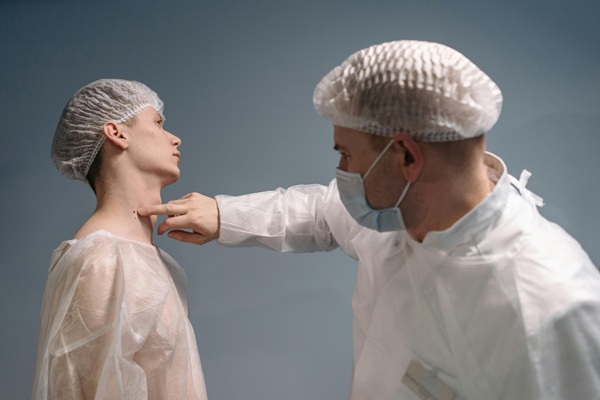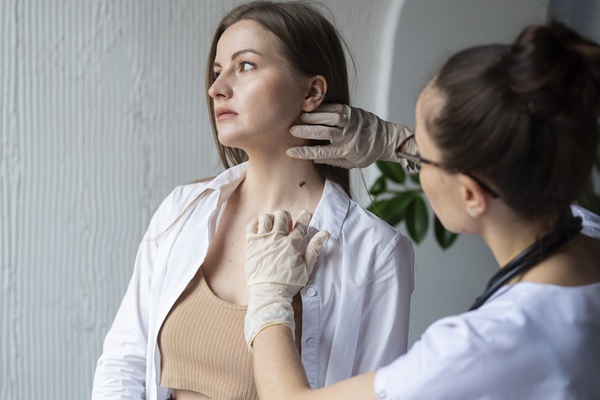
Head and neck cancers often require extensive surgery to remove the disease. This may involve removing part of the mouth, jaw, tongue, throat, voice box, or even parts of the face and neck. While these surgeries are life-saving, they can lead to major challenges in speaking, swallowing, chewing, and daily comfort. Restoring these essential functions requires a specialized approach from a plastic surgeon in Varanasi.
Oral cancer reconstruction helps patients recover not just medically, but also functionally and socially. Today, advanced plastic surgery in Varanasi allows patients to regain essential abilities and return to life with greater ease and dignity.
Understanding the Impact of Head and Neck Cancer Surgery
The head and neck region is home to some of the body’s most vital structures—those responsible for speaking, breathing, swallowing, tasting, and expressing emotions. When cancer develops in this area, the treatment often requires removing tissues that are essential for daily functioning.
Depending on the extent and location of the tumor, surgery may involve removal of:
- Upper or lower jawbone (maxilla or mandible)
- Part or whole of the tongue
- Larynx (voice box)
- Soft tissues inside the mouth
- Nose or parts of the nasal cavity
- Salivary glands
- Muscles or skin of the face and neck
Such procedures can create significant defects, leading to:
- Difficulty swallowing
- Changes in speech or inability to speak
- Facial asymmetry or disfigurement
- Loss of chewing ability
- Drooling or inability to close the mouth
- Changes in taste or sensation
- Emotional distress and social anxiety
For this reason, cancer treatment has two major goals:
- Oncological goal: Completely eliminate the cancer.
- Reconstruction goal: Restore function and appearance to the greatest extent possible.
Reconstruction is not only about improving aesthetics—it is about helping patients return to normal living comfortably and confidently.
Oncologists, plastic surgeons, and a team of departmental experts work collaboratively to make a patient's recovery a success.
Types of Head and Neck Cancers
Head and neck cancers can arise from different tissues, and understanding the category helps guide treatment and reconstruction planning. They are broadly divided into three major types:
1. Carcinomas (Most Common Type)
Carcinomas arise from the lining of the aerodigestive tract—the areas through which air and food pass. These include the:
- Oral cavity
- Nose and nasal passages
- Pharynx (throat)
- Larynx (voice box)
Squamous cell carcinoma is the most common subtype in this region. Because these cancers sit in areas essential for speech and swallowing, their removal often creates structural defects that require careful reconstruction.
2. Lymphomas
Lymphomas originate from the lymphatic system and often present as swellings in the neck, tonsils, or deeper lymph nodes. While some lymphomas are treated with chemotherapy and radiation, surgery may be needed in certain cases, particularly when tissues are involved. Reconstruction may then be required to restore contour or functionality.
3. Sarcomas
Sarcomas are rare cancers arising from bone, cartilage, muscle, or connective tissue. They can affect the jawbones, tongue muscles, or deeper tissues of the face and neck. Their removal may create large defects, requiring robust reconstructive flaps to achieve stable, functional outcomes.
Understanding the type of cancer allows the reconstructive team to plan which flap, tissue type, or bone support is needed for long-lasting and life-improving results.
Why Reconstruction Matters After Oral Cancer Surgery
When a cancer surgeon removes a tumor from the mouth, jaw, or throat, they must ensure wide, safe margins. This can lead to loss of skin, bone, muscle, or inner lining. Without reconstruction, a patient may face:
- Difficulty eating
- Speech impairment
- Drooling or inability to close the mouth properly
- Facial asymmetry
- Reduced tongue mobility
- Emotional distress and social discomfort
A plastic surgeon in Varanasi uses highly specialized techniques to rebuild:
- Missing bone
- Soft tissues and inner lining
- Skin and facial contours
- Oral cavity structures essential for chewing and speech
Modern reconstructive techniques rely heavily on flap surgery, where tissue from one part of the body is moved—sometimes with its blood vessels—to replace tissues lost during cancer surgery. Each flap is chosen based on what the defect requires: bone, muscle, skin, or a combination of these.
Below are the five most trusted flap techniques used in oral and head-and-neck cancer reconstruction.
1. Free Fibula Flap – Rebuilding Jaw Strength and Shape
The free fibula flap is widely considered the gold standard for jaw reconstruction. Bone from the lower leg (fibula) is shaped to match the patient’s jawline, allowing the surgeon to recreate both structure and strength.
Benefits include:
- Strong enough to support dental implants in the future
- Allows precise jaw contouring
- Excellent long-term stability
- Minimal impact on walking or mobility
- Natural aesthetic results
For patients undergoing mandibulectomy (removal of part of the jaw), this flap offers the most natural and durable reconstruction.
2. Anterolateral Thigh (ALT) Flap – Versatile for Large Soft-Tissue Defects
The anterolateral thigh flap is widely valued for its versatility. It offers a large area of skin, fat, and fascia, making it ideal for repairing major soft-tissue defects in the large areas of the mouth, cheek, or tongue.
Why surgeons choose it:
- Can be thinned or adjusted based on the defect
- Provides excellent coverage for large defects
- Minimal donor-site discomfort
- Reliable blood supply
Its adaptability makes it one of the most commonly used flaps in modern head and neck reconstruction.
3. Free Radial Forearm Flap – Thin, Flexible Tissue for Delicate Areas
The free radial forearm flap provides thin, pliable tissue that closely mimics the natural lining of the oral cavity.
Ideal for reconstructing:
- Tongue defects
- Inner cheek
- Floor of mouth
- Soft palate
Why it’s preferred:
- Enables improved speech articulation
- Restores comfortable tongue movement
- Heals well and adapts easily to oral structures
This flap is often used when fine functional outcomes are a priority.
4. Deltopectoral (DP) Flap – Reliable for Complex or High-Risk Cases
The deltopectoral flap is a time-tested reconstructive plastic surgery option that remains essential in certain scenarios. It is taken from the upper chest and shoulder area while maintaining its native blood supply.
It is especially useful for:
- Patients who cannot undergo microsurgery
- Salvage reconstruction after radiation
- Covering broad external skin and soft-tissue defects
While not as versatile as modern free flaps, the DP flap is dependable and provides excellent healing in high-risk cases.
5. Pectoralis Major Musculocutaneous (PMMC) Flap – Strength and Support Where Needed Most
The PMMC flap uses muscle and skin from the chest to reconstruct regions requiring bulk and support. This flap is especially valuable for patients recovering from extensive cancer surgery or radiation therapy.
Key advantages:
- Strong, well-vascularized tissue
- Effective for reconstructing major oral or jaw defects
- Helpful for reinforcing sensitive areas of the mouth and throat
The PMMC flap is often used when the surgical site needs durable protection during healing.
Restoring Quality of Life After Cancer Treatment at Banaras Plastic Surgery Hospital
The treatment modalities of Head and neck cancer can feel overwhelming, but reconstruction helps rebuild not only physical structures, but also hope, dignity, and normalcy.
Modern plastic surgery in Varanasi ensures that patients are supported throughout their journey—from diagnosis to recovery and beyond. With the expertise of a skilled plastic surgeon in Varanasi, Dr. Prashant Baranwal, many patients have benefited from advanced oral cancer reconstructive surgery, which has restored both functional and emotional well-being.
If you have questions about oral cancer reconstruction, flap options, or postoperative expectations, you are welcome to call for guidance at +91 95656 22223.