Choosing a facial treatment often feels confusing. Everyone talks about glowing skin, but few explain whether a treatment actually works for your concern. If you’re considering HydraFacial in Varanasi, you may be wondering whether it suits oily skin, acne, early aging, or pigmentation.
This article discusses how HydraFacial is used for different skin concerns and what outcomes are generally expected, based on skin type and condition.
What Is HydraFacial and Why Skin Type Matters?
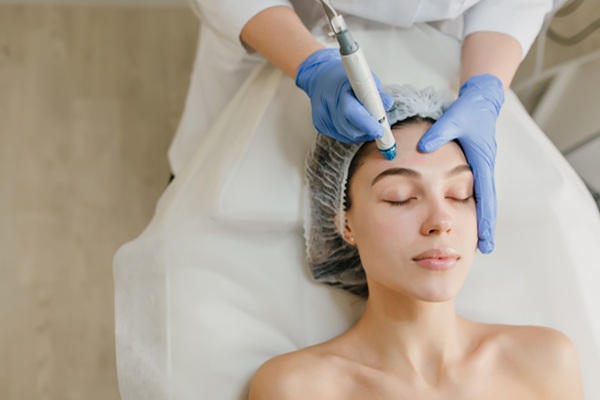
HydraFacial is a non-invasive skin treatment focused on cleansing, hydration, and skin balance. Unlike regular facials, it works deeper while remaining gentle.
But here’s the key point many miss:
Results depend heavily on skin type and concern.
What helps oily skin may not deliver the same results for pigmentation or aging. Understanding this difference prevents disappointment and unrealistic expectations.
Is HydraFacial Good for Oily Skin?
This is one of the most searched questions online.
Why does oily skin struggles
Oily skin often deals with:
- Excess sebum
- Clogged pores
- Blackheads
- Shine that returns quickly
How HydraFacial helps oily skin
HydraFacial for oily skin focuses on deep pore cleansing without stripping moisture.
Benefits often include:
- Cleaner pores
- Reduced surface oil
- Smoother texture
- Less congestion over time
It helps rebalance the skin instead of drying it out. That balance matters.
Who sees the best results
- Mild to moderate oiliness
- Frequent blackheads
- Dull skin caused by congestion
HydraFacial works best when done regularly, not as a one-time fix.
Can HydraFacial Help Acne-Prone Skin?
Acne is complex. No single treatment solves it completely.
When HydraFacial can help
HydraFacial can support acne-prone skin by:
- Removing surface impurities
- Reducing pore congestion
- Improving overall skin texture
It is most helpful for:
- Blackheads and whiteheads
- Mild acne
- Post-acne dullness
When caution is needed
HydraFacial is not meant for:
- Severe cystic acne
- Active skin infections
In such cases, timing and customization matter. Professional assessment helps avoid flare-ups.
Does HydraFacial Work for Pigmentation and Uneven Skin Tone?
Pigmentation is one of the most misunderstood concerns.
What HydraFacial can realistically improve
HydraFacial for pigmentation can help with:
- Dullness
- Uneven tone
- Mild sun damage
- Surface discoloration
It improves skin clarity and brightness gradually.
What it cannot erase completely
- Deep pigmentation
- Hormonal melasma
- Long-standing dark patches
In these cases, HydraFacial works best as a supportive treatment alongside other skin plans.
Is HydraFacial Effective for Aging Skin and Fine Lines?
Aging skin often feels dry, tired, and less elastic.
What HydraFacial does well
For early aging concerns, HydraFacial helps by:
- Improving hydration
- Smoothing skin texture
- Giving skin a refreshed appearance
This can soften the look of fine lines caused by dryness.
What it does not replace
HydraFacial does not:
- Lift sagging skin
- Replace medical anti-aging treatments
Think of it as skin maintenance, not reversal.
HydraFacial in Varanasi: Does Climate Affect Results?
Yes. Climate plays a role.
In warmer regions, skin often produces more oil and experiences more sun exposure. This can lead to:
- Faster congestion
- Uneven tone
- Dehydration beneath the surface oil
HydraFacial in Varanasi can be helpful when:
- Sessions are spaced correctly
- Aftercare is followed carefully
- Sun protection is maintained
Climate awareness helps improve HydraFacial results.
HydraFacial vs Regular Facial: What’s the Real Difference?
Many people ask why HydraFacial is recommended over a regular facial.
| Regular Facial | HydraFacial |
| Surface cleaning | Deep pore cleansing |
| Temporary glow | Gradual skin improvement |
| Limited hydration | Intensive hydration |
| Minimal aftercare impact | Aftercare affects results |
HydraFacial works deeper, which is why habits before and after treatment matter more.
How Often Should You Get a HydraFacial for the Best Results?
Frequency depends on skin concern.
General guidance
- Oily or acne-prone skin: every 4–6 weeks
- Dull or uneven tone: monthly
- Aging or dry skin: every 6–8 weeks
Consistency matters more than frequency.
Hydrafacial Tips to Get Better Results
Small habits can improve outcomes.
Helpful tips
- Avoid harsh products before sessions
- Use sunscreen daily
- Keep skincare simple after treatment
- Stay hydrated
- Avoid over-exfoliation
HydraFacial works best when skin is treated gently.
Choose What Fits Your Skin, Not the Trend
HydraFacial can be helpful for many skin concerns, but results depend on realistic expectations and proper care. Oily skin, mild acne, early aging, and uneven tone respond differently.
Understanding what HydraFacial can and cannot do allows you to choose calmly.
If you’d like clarity on your skin concerns, a consultation at Banaras Plastic Surgery Hospital can help you explore suitable options at your own pace.
FAQs:
Is HydraFacial suitable for all skin types?
Yes. HydraFacial in Varanasi is generally safe for most skin types when protocols are customized based on sensitivity, oil levels, and concerns like acne or pigmentation.
Can HydraFacial worsen acne?
HydraFacial for oily skin or acne-prone skin may cause brief purging. This is temporary and usually settles with proper HydraFacial aftercare and correctly spaced sessions.
How soon can I see HydraFacial results?
HydraFacial results often include instant smoothness and glow. With repeated sessions, skin texture, oil control, and clarity improve more steadily over time.
Can HydraFacial remove pigmentation permanently?
HydraFacial for pigmentation improves brightness and uneven tone but does not permanently remove deep pigmentation. Maintenance sessions and supportive skincare help sustain visible results.
How do I know if HydraFacial is right for me?
A professional consultation helps determine whether HydraFacial in Varanasi suits your skin goals, or if another treatment would be more effective for long-term results.