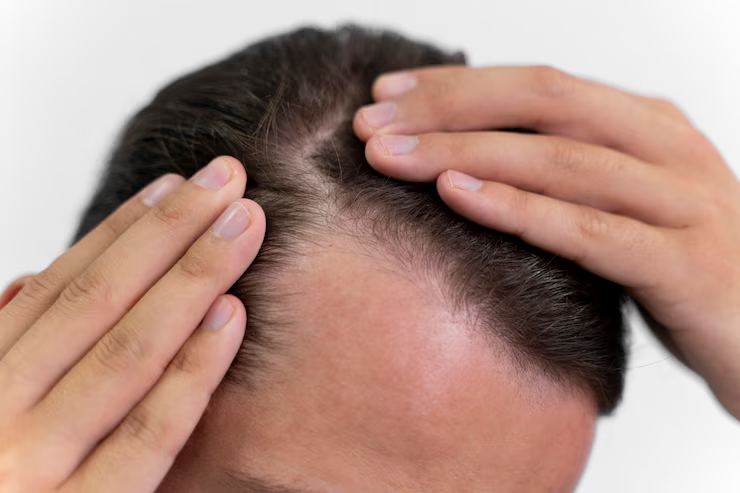
Hair Loss Treatment in Varanasi

When Hair Loss Affects More Than Just Appearance

Losing hair can feel like losing a part of yourself. For many, it not only alters how they look but also impacts how they feel—lowering confidence and creating daily anxiety. Whether your hairline is receding or thinning is getting noticeable, timely and professional intervention can restore both your hair and your peace of mind.

What Is Hair Loss and How Does It Progress?

Hair loss, medically known as alopecia, occurs when hair follicles shrink or become dormant. It can develop gradually or appear suddenly, depending on genetic, hormonal, or environmental factors. The stages of hair loss range from minor shedding to significant thinning and bald patches, often progressing if left untreated.

Types of Hair Loss Treatments in Varanasi

Choose from Scientifically Backed, Minimally Invasive Options

Banaras Plastic Surgery Hospital offers advanced, evidence-based solutions tailored to your hair loss pattern. With years of hands-on experience and clinical excellence, he ensures each treatment aligns with your hair goals.

  • PRP Therapy: Boosts hair growth using platelet-rich plasma.
  • Low-Level Laser Therapy: Stimulates follicles with gentle light energy.
  • GFC Treatment: Uses growth factors to strengthen thinning hair.

Each method targets specific stages and causes of hair loss. Depending on your scalp health, our expert plastic surgeon, Dr. Baranwal may recommend a standalone treatment or a combination for optimal results.
Recognising the Signs and Symptoms Early

Hair loss rarely happens overnight. You might first notice extra strands in your brush or hair thinning at the crown. Symptoms vary depending on the cause. Here’s a few:

1

Gradual thinning

Common in aging, men often see receding hairlines while women notice a widening part in their scalp.

2

Sudden hair fall

Rapid shedding after emotional stress or illness may result in temporary but noticeable hair loss.

3

Scaling patches

Flaky or itchy scalp areas can indicate fungal infections, often leading to inflamed hair loss zones.

4

Circular or patchy bald spots

Small, coin-sized bald areas may appear suddenly, often linked to autoimmune conditions like alopecia areata.

5

Androgenic alopecia

A hereditary pattern of hair loss that develops slowly and follows predictable patterns in both genders.

6

Female pattern baldness

Women may experience diffuse thinning across the crown without a receding hairline, usually starting after menopause.

Each type is selected based on your treatment goals—ensuring your results are both safe and effective.

Let Your Hair Regain Its Strength—Naturally

You don’t have to wait for hair loss to become irreversible. With expert-led hair loss treatments and personalised care at Banaras Plastic Surgery Hospital, you can take control early. Schedule your consultation today—your hair deserves a second chance.

Why Patients Trust Us

Natural-Looking Results by Board-Certified Surgeon

Regular Follow-ups

Your journey doesn't end after surgery. We offer scheduled reviews to ensure seamless healing and consistent outcomes.

Professional Doctor

Global techniques and certified surgical excellence you can trust for every procedure.

Personalized Healthcare

Your treatment plan is uniquely crafted to match your goals, body, and expectations.

Patient Friendly

Healing happens best where you feel relaxed, respected, and completely at ease.

Got questions? We've got answers!

On an average, shedding of 50 to 100 strands of hair daily is normal. However, if you notice excessive clumps, visible scalp patches, or thinning, it may indicate a deeper issue that needs expert attention.

It’s best to consult a specialist at the first sign of persistent thinning, excessive shedding, or visible bald patches for timely intervention.

Yes, most non-surgical treatments are safe when done by experts. However, long-term success depends on early diagnosis, consistency, and individual response.

Absolutely. Treatments like PRP and GFC are highly effective for female pattern baldness and postpartum or hormonal hair thinning.

Have any questions?