Acne Scar Treatment in Varanasi
Troubled by stubborn acne marks that just won’t fade?
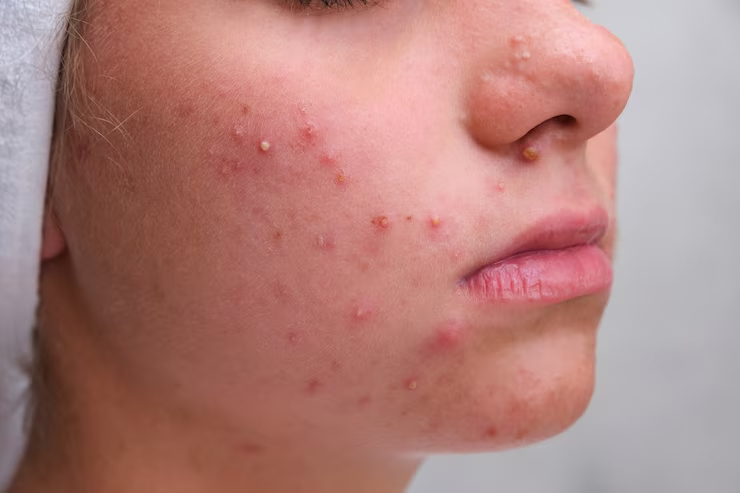
Acne scars often outlast the pimples that caused them, leaving behind uneven skin, discoloration, and frustration. Before treating acne scars effectively, it’s important to understand their root cause. These scars form due to an imbalance in skin healing when acne damages tissue and pores. Overproduction or loss of collagen during the healing process results in different types of scars—like depressions, pits, or raised marks.
At Banaras Plastic Surgery Hospital, we offer specialized acne scar treatments to help you regain smoother, healthier-looking skin.
Gentle Solutions to Help Your Scars Go Away, Naturally
What Is Acne Scar Treatment?
Acne scar treatment targets the damaged layers of your skin using customized dermatological or surgical approaches. From laser resurfacing and chemical peels to micro-needling and subcision, each treatment focuses on repairing skin texture, reducing pigmentation, and triggering natural collagen production for long-lasting skin renewal.
Reasons Behind Acne Scar Formation
Even after acne heals, certain factors can lead to stubborn scarring. While each person’s skin reacts differently, these three are the most common causes:
- Severe or cystic acne breakouts
- Repeated picking or squeezing of pimples
- Delayed or improper treatment of acne
When acne is left untreated or mishandled, the chances of scarring increase. The longer the inflammation stays in the skin, the deeper the damage goes—leaving visible marks that need professional correction.
Types of Acne Scarring
Acne scars aren’t all the same. Their appearance depends on how your skin healed after acne. Here are the three main types we commonly treat:
Atrophic Acne Scars
These scars form due to tissue loss during the healing phase, leading to noticeable skin depressions. There are three distinct types:
- Boxcar Scars: Wide, shallow marks with sharp, clearly defined edges.
- Ice Pick Scars: Small, narrow indentations that seem to pierce deep into the skin.
- Rolling Scars: Broad, uneven scars that give the skin a rippled or wavy appearance.
Raised Scars (Hypertrophic or Keloid Scars)
Thicker than the surrounding skin, these scars result from excess collagen during healing. They can be itchy or firm to the touch.
Depressed Acne Scars
Often deep and sharply defined, these scars occur due to inadequate collagen production during any healing, forming skin indentations.