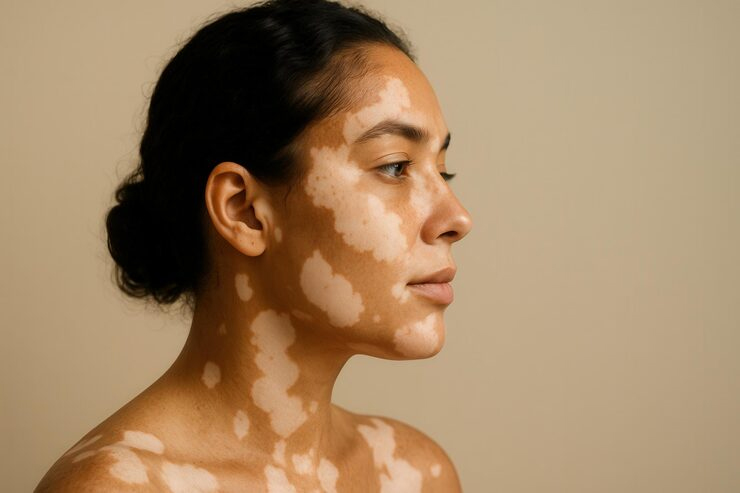
If you're searching for vitiligo treatment in Uttar Pradesh, you've likely come across almost all established general skin clinics. However, surgical vitiligo care — particularly techniques such as Melanocyte Transplantation — is available in only a handful of centers across the state.
Patients from Lucknow, Kanpur, Prayagraj, Gorakhpur, Ghaziabad, Noida, Ayodhya, Jaunpur, Mirzapur, and Azamgarh travel to Banaras Plastic Surgery Hospital to receive advanced vitiligo treatments.
Let’s have a look at why that gap exists, where you fit into that picture — whether you're from Lucknow or a smaller town — and what to expect if you choose to travel to Varanasi for treatment.
Cities & Regions We Serve
Vitiligo itself is common and treated at general dermatology clinics throughout Uttar Pradesh. Although surgical repigmentation is a narrower field, melanocyte transplantation for vitiligo, in particular, requires two things above all: a laboratory setup for melanocyte processing and a trained vitiligo surgeon. This is a structural reason — not a reflection of demand.
Patients regularly travel to our hospital from across Uttar Pradesh, including:
- Lucknow
- Kanpur
- Prayagraj (Allahabad)
- Gorakhpur
- Ghaziabad / Noida
- Ayodhya
- Jaunpur
- Mirzapur
- Azamgarh
- Mau
- Ballia
- Sonbhadra
- Chandauli
If vitiligo has taken a deep toll on your emotional well-being or you simply wish to go for the advanced treatment, you may consider a consultation first and understand the present condition of your white patches.
Vitiligo Treatment in Uttar Pradesh: A Brief Overview of Options
Treatment choice depends on whether the vitiligo is stable (no new patches for 6–12 months) or still active, along with the size, location, and extent of the affected skin.
Here are a few treatment options for vitiligo that can help you regain your skin color:
- Non-surgical treatment — topical therapy, phototherapy (NB-UVB), or oral medication, generally used first, particularly for active or recently developed patches
- Melanocyte-Keratinocyte Transplantation (MKTP) — a lab-assisted technique using the patient's own pigment cells, generally used for stable vitiligo on the face, hands, and lips
- Punch Grafting — a long-established grafting technique suited to small, stable patches
- Blister Grafting — a minimally invasive grafting method often used on sensitive skin
- Split Thickness Skin Grafting (STSG) — used to treat larger stable areas in a single session
If you wish to know more about how each technique works, recovery timelines, and suitability, you can always consider a consultation or visit our website.
What Traveling for Vitiligo Treatment Typically Involves
Many of our UP patients plan their visit in three stages:
- Consultation and Evaluation: The first step is a clinical evaluation to determine whether the vitiligo is stable, which technique — if any — is suitable, and what outcome can reasonably be expected.
Patients can share photographs in advance to help with preliminary assessment, though we typically require a physical evaluation to confirm suitability for surgery.
- The Procedure: Most vitiligo surgeries are performed under local anesthesia, as either a day procedure or with a short overnight stay, depending on the technique used and the area being treated.
- Follow-Up: Repigmentation develops gradually, typically beginning around 4–6 weeks after surgery and continuing over several months. We schedule follow-up visits to track progress and provide patients traveling from other districts with clear guidance on what to monitor at home between visits.